Trust & Will vs LegalZoom for Estate Planning
Navigating the world of estate planning can feel like trying to solve a complicated puzzle, especially when you're faced with what seems like a million different options and an equal number of legal terms that make your head spin. Many of us know we should get our affairs in order, but the sheer effort of figuring out where to start, who to trust, and how much it will all cost often leads to procrastination. This guide is here to untangle the choices, specifically diving deep into two popular online platforms, Trust & Will and LegalZoom, to help you understand their strengths, limitations, and whether they're the right fit for your unique situation.
Understanding Your Estate Planning Needs
Before we even begin to compare different services, it's absolutely crucial to take a step back and understand what estate planning truly entails for you. It’s not a one-size-fits-all endeavor, and what works for your neighbor might be entirely unsuitable for your family's specific circumstances. The goal here isn't just to get a document signed; it's to create a comprehensive plan that reflects your wishes and protects your loved ones.
What is Estate Planning Anyway?
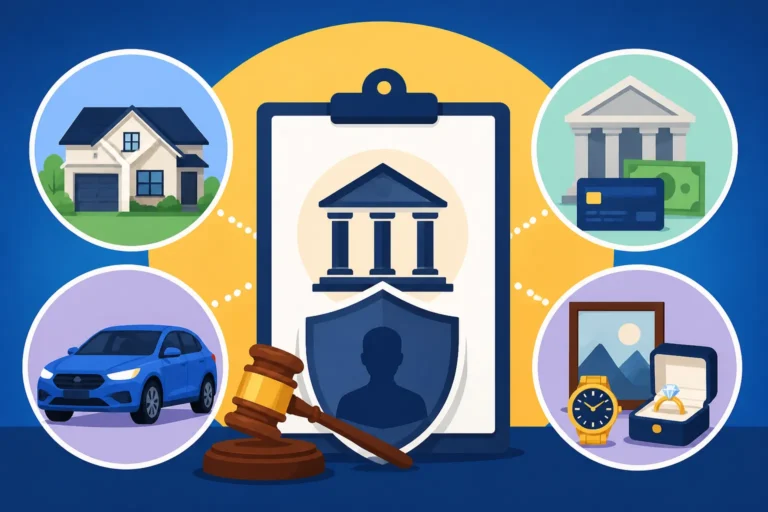
At its heart, estate planning is the process of arranging for the management and disposal of your estate during your life and after your death. This includes everything you own: your home, vehicles, bank accounts, investments, personal belongings, and even your digital assets. Beyond just assets, it also covers decisions about your healthcare, who will care for your minor children, and how your debts will be handled. Many people mistakenly think estate planning is only for the wealthy, but that couldn't be further from the truth. Everyone has an estate, no matter its size, and everyone can benefit from having a clear plan in place. Without one, state laws dictate how your assets are distributed, which may not align with what you would have wanted.
The core purpose of estate planning is to ensure that your wishes are honored, your family is provided for, and the process of settling your affairs after you're gone is as smooth and stress-free as possible. It's about proactive care, not just reactive measures. A well-crafted plan can help minimize taxes, avoid the often lengthy and public process of What Is Probate Complete Guide, and prevent potential family disputes. It truly offers peace of mind, knowing you've taken steps to protect your legacy and your loved ones.
Identifying Your Specific Goals
Your personal goals are the compass for your estate plan. Are you primarily concerned with avoiding probate, which can be costly and time-consuming? Perhaps you have young children and need to appoint a guardian and set up a trust to manage their inheritance until they're old enough. Maybe you own a business and need a succession plan, or you have significant assets that could be subject to estate taxes. These are all critical considerations.
For instance, if you're a parent, securing guardians for your children is likely a top priority. You'll want to specify not only who will care for them but also how their financial needs will be met, possibly through a Revocable Living Trust Explained that can hold assets for their benefit. If you have a blended family, ensuring that both your current spouse and children from a previous marriage are provided for fairly can be a delicate balance requiring careful planning. Similarly, if you own real estate in multiple states, you might need specific strategies to avoid multiple probate proceedings. Understanding these specific goals helps you determine the complexity of your needs and, consequently, which estate planning solution is most appropriate.
The Landscape of DIY Estate Planning Services
In recent years, the rise of online legal services has transformed how many people approach estate planning. Gone are the days when hiring a traditional attorney was the only accessible option. Now, platforms designed for the digital age offer convenient and often more affordable ways to create essential legal documents. These services cater to a wide audience, from individuals with straightforward needs to those looking to set up basic trusts without the hefty price tag of a lawyer.
However, it's important to approach these DIY solutions with a clear understanding of what they offer and, more importantly, what they don't. While they provide a valuable service for many, they're not a universal substitute for personalized legal counsel, especially for complex situations. The key is to assess whether your circumstances align with the scope of their offerings.
How Online Platforms Like LegalZoom Work
Online estate planning platforms generally operate by guiding users through a series of questions to generate customized legal documents. Think of it like a sophisticated questionnaire that, based on your answers, populates a legal template with your specific information. Companies like LegalZoom have pioneered this model, making legal services more accessible to the average person. You typically sign up for an account, choose the type of document you need (e.g., a will or a trust), and then answer prompts about your assets, beneficiaries, and personal preferences.
The primary benefit of this approach is convenience and cost-effectiveness. You can complete your documents from the comfort of your home, often at a fraction of the cost of hiring a lawyer. However, the downside is that these platforms rely heavily on your ability to understand legal terminology and accurately answer the questions presented. There's less room for nuanced advice or exploring alternative strategies that a seasoned attorney might suggest. While some platforms offer access to attorneys for review or consultation, this is often an add-on service and might not provide the same depth as a dedicated legal engagement.
Common Documents Offered by Online Services
Most online estate planning services focus on providing the fundamental documents necessary for a basic estate plan. The cornerstone is usually a Last Will and Testament, which dictates how your assets will be distributed and who will be the guardian of your minor children. Many platforms also offer Do I Need a Will? services to ensure your wishes are legally binding.
Beyond a simple will, you'll typically find options for creating living wills (also known as advance healthcare directives), which outline your medical treatment preferences if you become incapacitated, and durable powers of attorney, which grant someone else the authority to make financial or medical decisions on your behalf. For those interested in avoiding probate, these services often include options for Revocable Living Trust Explained documents. These trusts can hold your assets, allowing them to pass directly to your beneficiaries without court involvement. While these documents form a solid foundation for many, complex needs such as those involving significant tax planning or intricate family dynamics might require a more bespoke solution.
Diving Deeper into Trust & Will's Offerings
Trust & Will has carved out a niche in the online estate planning space by focusing specifically on wills, trusts, and guardianship documents. They pride themselves on a user-friendly experience and clear, accessible language, aiming to make a potentially intimidating process feel manageable for everyday individuals and families. Their platform is designed with a modern interface, which can be a significant draw for users who might feel overwhelmed by more traditional or overly complex legal websites.
They position themselves as a service that combines technological efficiency with a touch of personal support, ensuring that users feel guided through each step. This approach contrasts somewhat with broader legal service providers that might offer a wider array of legal documents beyond just estate planning. The specialized focus allows Trust & Will to refine its offerings within this specific area, providing what many consider a streamlined and intuitive experience.
What Sets Trust & Will Apart?
One of Trust & Will's most highlighted features is its emphasis on simplicity and education. They aim to demystify estate planning by breaking down complex concepts into understandable terms, which is a huge relief for anyone feeling lost in legalese. Their step-by-step guidance system helps you navigate the creation of documents like your will, trust, or guardianship plan, ensuring you cover all necessary bases. They offer different packages, with their Will-based plan and Trust-based plan being the most popular, allowing users to choose the path that best suits their needs and budget.
Another distinguishing factor is their commitment to providing state-specific legal documents. This is crucial because estate laws vary significantly from one state to another, impacting everything from probate processes to how properties are titled. Trust & Will ensures that the documents you create are compliant with your state's laws, which is a critical consideration for legal validity. They also often include a year of unlimited updates to your documents, which is incredibly helpful as life circumstances can change rapidly. This feature provides flexibility and ensures your plan can evolve with you without incurring additional immediate costs for minor adjustments.
Ideal Scenarios for Using Trust & Will
Trust & Will is particularly well-suited for individuals and couples with relatively straightforward estate planning needs. If you're a young family looking to appoint guardians for your children and ensure your assets are distributed according to your wishes without excessive complexity, their Will-based plan is an excellent starting point. Similarly, if you have a moderately sized estate and wish to bypass probate for your assets, their Trust-based plan offers an accessible way to establish a Revocable Living Trust Explained.
Consider a scenario where a couple has a primary residence, a few investment accounts, and two young children. Their main goal is to name guardians and ensure their children are financially secure. Trust & Will can guide them through setting up a will and a simple trust for their children's inheritance, fulfilling these core needs efficiently. Their service is also appealing to those who appreciate a clean, modern interface and don't want to sift through a plethora of unrelated legal services. For many, the simplicity and directness of Trust & Will’s platform provide exactly what they need to get their essential estate planning done without unnecessary complications.
A Closer Look at LegalZoom's Estate Planning Solutions
LegalZoom is a giant in the online legal services space, offering a much broader spectrum of legal documents and services beyond just estate planning. While they do cater extensively to individuals looking to create wills and trusts, their platform also supports business formation, intellectual property registration, and general legal advice. This expansive approach means they serve a very wide customer base, from small business owners to families looking for foundational estate plans.
Their brand is well-established and recognized, which often instills a sense of trust for users who might be new to online legal solutions. Like other online providers, LegalZoom aims to democratize access to legal services, making them more affordable and less intimidating than the traditional attorney model. They offer various packages, often including options for attorney advice, positioning themselves as a hybrid solution that blends DIY convenience with professional guidance.
LegalZoom's Approach to Estate Planning
LegalZoom’s estate planning services are comprehensive, offering everything from basic wills to more complex living trusts and powers of attorney. Their platform, while extensive, is still designed to guide users through the process step-by-step. What often distinguishes LegalZoom is its extensive network of independent attorneys. While you can certainly create documents purely on a DIY basis, many of their packages include consultations or document reviews with a licensed attorney in your state. This can be a significant advantage, providing an extra layer of confidence that your documents are properly drafted and legally sound.
They cater to a diverse clientele, from those simply needing a will to individuals or families requiring a more robust estate plan that might include provisions for How to Avoid Estate Tax With Trusts. Their offerings are often bundled, allowing users to choose the level of service and support that aligns with their comfort level and the complexity of their estate. This flexibility is key for a platform that serves such a wide array of legal needs, ensuring that whether you're starting a business or drafting your final wishes, LegalZoom has a relevant service.
Who Benefits Most from LegalZoom?
Given its broad range of services and attorney access options, LegalZoom can be a good fit for several types of users. Individuals or families who anticipate needing other legal services in the future (e.g., forming an LLC for a side business, registering a trademark) might find the convenience of a single platform appealing. It’s also a strong contender for those who appreciate the DIY cost savings but still want the peace of mind of having a legal professional review their estate planning documents. The optional attorney consultations can be particularly reassuring for users who have slightly more complex situations than a bare-bones estate, but not so complex that they require a full-service estate planning law firm.
For example, a self-employed individual who needs to set up a business and simultaneously create a will and a durable power of attorney might find LegalZoom's integrated approach very efficient. They could handle both their business legal needs and personal estate planning in one place. Additionally, people who might feel more comfortable with a well-known, established brand in the online legal space often gravitate towards LegalZoom. This familiarity and perceived reliability can be a deciding factor for many when choosing an online estate planning provider.
Direct Comparison: Trust & Will vs. LegalZoom
When it comes down to making a choice between Trust & Will and LegalZoom for your estate planning, it's not simply a matter of one being "better" than the other across the board. Instead, it's about which platform's features, pricing, and overall philosophy align best with your specific needs and comfort level. Both offer valuable services, but they approach the task of helping you secure your legacy from slightly different angles. Understanding these distinctions is key to an informed decision.
Consider how each service handles crucial aspects like the types of documents available, the level of customization, and whether legal guidance is readily accessible. It's not just about the initial cost, but also about the long-term support and the confidence you have in the legal validity of the documents you create. Let's break down some of these core differences to help you weigh your options.
Pricing and Package Differences
Trust & Will tends to offer more streamlined packages directly focused on estate planning. Their Will-based plans typically start at a lower price point, making them very accessible for individuals or couples who only need a basic will. Their Trust-based plans are a step up in price but still competitive, providing a comprehensive set of documents including a revocable living trust, pour-over will, and powers of attorney. These plans often come with a year of free updates, which is a significant value proposition.
LegalZoom, on the other hand, often has a wider range of pricing tiers, from basic DIY document creation to more premium plans that include attorney advice and ongoing legal support. Their will services can be very affordable at the entry level, but as you add services or opt for attorney review, the cost can increase. The advantage here is the flexibility to scale up your legal support as needed. For instance, a LegalZoom Personal Legal Plan or their Estate Plan Bundle might include additional perks or access to their network of attorneys for reviews.
Here's a simplified comparison:
| Feature/Service | Trust & Will | LegalZoom |
|---|---|---|
| Primary Focus | Dedicated to Wills, Trusts, Guardianships | Broad range of legal services (estate, business, IP) |
| Will Pricing (Individual) | Often starts lower | Competitive, sometimes higher for bundled options |
| Trust Pricing | Specific Trust-based packages | Available, often bundled with other services |
| Attorney Access | Limited, often via add-on Q&A sessions | More robust options, including consultations/reviews |
| Document Updates | Often includes 1 year of unlimited updates | Varies by plan, often an add-on or subscription |
| User Experience | Modern, intuitive, guided | Functional, extensive, sometimes less streamlined |
| State Specificity | High, documents tailored to state laws | High, documents tailored to state laws |
Document Customization and Legal Support
This is where the differences can become quite apparent. Trust & Will excels at guiding users through a logical flow to create state-specific, legally valid documents. The customization primarily comes from your answers to their detailed questions. While they strive for comprehensiveness within their templates, if your situation is truly unique or falls outside standard parameters, you might find their customization options somewhat limited compared to bespoke legal advice. They do offer support, but direct, personalized legal counsel for complex scenarios is not their core offering.
LegalZoom offers similar guided document creation, but its strength lies in its integrated legal support options. Many of their estate planning packages, particularly their "Estate Plan Bundle" or "Legal Advantage Plus" subscription, include access to independent attorneys for consultations or document reviews. This means you can get your will or trust drafted, and then have a licensed attorney in your state review it, offer advice, and answer specific questions. This hybrid approach can provide a greater sense of security for those who want the affordability of online services but also the assurance of professional legal eyes on their critical documents. This can be especially helpful if you're navigating decisions around complex assets or have questions about how a Will vs Trust Which Do You Need specifically for your situation.
User Experience and Ease of Use
When it comes to the actual process of creating your documents, both platforms aim for ease of use, but with slightly different aesthetics and flows. Trust & Will is often praised for its clean, modern interface and highly intuitive, step-by-step guidance. The entire process feels very focused and streamlined, leading you directly through the creation of your will, trust, or guardianship document. Users often report feeling less overwhelmed and more confident in the questions they're answering due to the clear language and focused design.
LegalZoom, while also user-friendly, has a more expansive platform due to its wider array of legal services. This can sometimes make the initial navigation feel a little less streamlined if you're only looking for estate planning. However, once you select the estate planning section, the process of creating documents is also guided and relatively straightforward. Some users might find the design a bit more utilitarian compared to Trust & Will’s more contemporary feel, but it is undeniably functional and effective. Ultimately, the "best" user experience often comes down to personal preference for interface design and how much information you like presented at once.
When to Consider a Traditional Estate Planning Attorney
While online services like Trust & Will and LegalZoom offer fantastic, accessible solutions for many, it’s vital to acknowledge their limitations. There comes a point where the complexity of your financial situation, family dynamics, or specific legal goals simply outweighs the capabilities of even the most sophisticated online template. This is precisely when the expertise and personalized guidance of a traditional estate planning attorney become not just beneficial, but often essential.
Thinking you can handle everything yourself with an online document might save you some money upfront, but it could lead to significant headaches, expenses, and unintended consequences for your heirs down the line. It's about weighing convenience against the critical need for precise, custom-tailored legal advice that only a human expert can provide.
Complex Estates and Unique Situations
If your estate involves significant assets that exceed federal or state estate tax exemptions, or if you own property in multiple states or even internationally, a traditional attorney is usually your best bet. For example, if you're grappling with understanding Estate Tax for Residents vs Nonresidents or whether you need specific strategies to avoid a state's The Estate Tax Cliff Explained New York & More, an attorney's advice is invaluable. Similarly, complex business interests, such as partnerships, corporations, or intricate real estate portfolios, require specialized knowledge to ensure seamless transition and minimal tax implications.
Beyond financial complexity, unique family situations often demand an attorney's touch. This includes blended families with stepchildren, children with special needs requiring a supplemental needs trust, or family members who might have addiction issues or a history of financial mismanagement. In these cases, boilerplate documents simply won't suffice. An attorney can craft bespoke trust provisions, explore options like a Types of Trusts Explained ILIT, GRAT, QTIP & More, and provide guidance on how to navigate potentially contentious family dynamics, ensuring your wishes are clear and legally enforceable.
The Value of Personalized Legal Advice
The primary advantage of working with a traditional estate planning attorney is the deeply personalized advice you receive. An attorney doesn't just fill in blanks; they engage in a comprehensive discovery process to understand every facet of your life, assets, relationships, and goals. They can identify potential pitfalls you might never consider, such as unintended tax consequences or unforeseen challenges to your will. They can also advise on strategies to How to Avoid Estate Tax With Trusts or navigate complex probate rules, offering insights that a generic online platform cannot replicate.
Furthermore, an attorney acts as a long-term advisor, available to help you adjust your plan as your life circumstances evolve—whether you marry, divorce, have more children, experience significant financial changes, or face health challenges. They can explain the nuances of options like Estate Tax Portability and Why Most States Don't Offer It, helping you make informed decisions that align with your long-term financial and personal objectives. While a service like LegalZoom might offer attorney consultations, the depth of engagement and comprehensive planning offered by a dedicated estate planning attorney is fundamentally different, providing peace of mind through truly tailored and expert guidance.
Final Thoughts on Your Estate Planning Journey
Choosing the right path for your estate planning is a deeply personal decision, and there's no single "correct" answer that fits everyone. The most important thing is to avoid procrastination and take action, even if it's just to get your basic will in place. Both Trust & Will and LegalZoom offer accessible, often affordable, entry points into estate planning, empowering many individuals and families to take control of their future. For straightforward situations, they represent excellent value and convenience.
However, as your life becomes more intricate—with growing assets, complex family dynamics, or significant tax planning considerations—the value of a seasoned estate planning attorney becomes undeniable. They bring a level of expertise, customization, and holistic advice that online platforms, by their very nature, cannot fully replicate. Evaluate your own needs honestly, and don't hesitate to seek professional legal counsel if you suspect your situation warrants it. The peace of mind that comes from a well-crafted estate plan, whether created online or with an attorney, is truly invaluable.
Disclaimer
This article is for general informational purposes only and does not constitute professional advice. Laws and regulations vary by location and change over time. Consult a qualified professional for guidance on your specific situation.