Estate Tax for Snowbirds With Two Homes
It's a common dream for many to spend their golden years splitting time between a warm climate for winter and a cooler retreat for summer, embodying the "snowbird" lifestyle. However, this wonderful freedom often brings a hidden headache: navigating estate taxes across multiple states. Trying to figure out which state has a claim on your assets when you've got a foot in two different doors can feel like an impossible puzzle, and this guide is here to unravel those complexities.
Understanding Residency and Domicile for Snowbirds
One of the biggest sources of confusion for snowbirds, and frankly, for anyone owning property in more than one state, revolves around the terms "residency" and "domicile." While they might sound interchangeable, especially in everyday conversation, the tax world treats them very differently, and this distinction can have a massive impact on your estate tax liability.
The Critical Distinction Between Residency and Domicile
When we talk about "residency," we're often referring to a place where you temporarily live. You might reside in Florida for six months out of the year and then reside in Maine for the other six. You are, in essence, a resident of both during different periods. However, "domicile" is a much more permanent concept. It's the place you consider your true home, the place you intend to return to whenever you're away, and the place where you maintain your principal legal attachments. You can have multiple residences, but you can only have one domicile at any given time.
Why does this matter so much for estate tax? Well, state estate taxes are typically levied based on the deceased's domicile. If your domicile is in a state with a hefty estate tax, your entire estate, no matter where the assets are located (with some exceptions for real estate in other states), could be subject to that state's tax. If your domicile is in a state that doesn't have an estate tax, you could potentially avoid state-level estate tax on many of your assets entirely. States look at a whole host of factors to determine domicile. These can include where you’re registered to vote, where your driver's license was issued, the address you use for federal income tax returns, where your most valuable possessions are kept, which community you're more involved in, and even where your primary doctors or religious institutions are located. It's not just about how long you spend in each place, but where your heart, and more importantly, your official paper trail, truly lies.
The Double Domicile Dilemma
The real nightmare for snowbirds is the dreaded "double domicile" dilemma. This happens when two or more states both claim you as their domiciliary after your death. Imagine you've been spending winters in Florida, which famously has no state income tax or estate tax, and summers in New York, a state known for its New York Estate Tax Cliff Explained. You've tried your best to establish Florida as your domicile, but perhaps you still keep many ties to New York, like a long-standing bank account, family heirlooms, or even a local community group you're passionate about.
If both Florida and New York decide you were domiciled in their state at the time of your passing, your estate could face tax claims from both. This isn't just a hypothetical problem; it leads to complex, time-consuming, and incredibly expensive legal battles between states, ultimately diminishing the inheritance your loved ones receive. Your executor might have to deal with two different sets of probate laws, two different tax agencies, and potentially pay taxes to both. It’s a situation that highlights the critical need for meticulous estate planning and clear, consistent actions to affirm your true domicile, especially for those with significant assets that might be subject to the Federal Estate Tax Exemption 2026 ($15 Million).
State Estate Tax Implications for Multi-State Property Owners
Navigating state estate taxes when you own properties in different parts of the country is a significant concern for many snowbirds. It's not just about where you call home, but where your tangible assets, especially real estate, are physically located.
States With an Estate Tax and Those Without
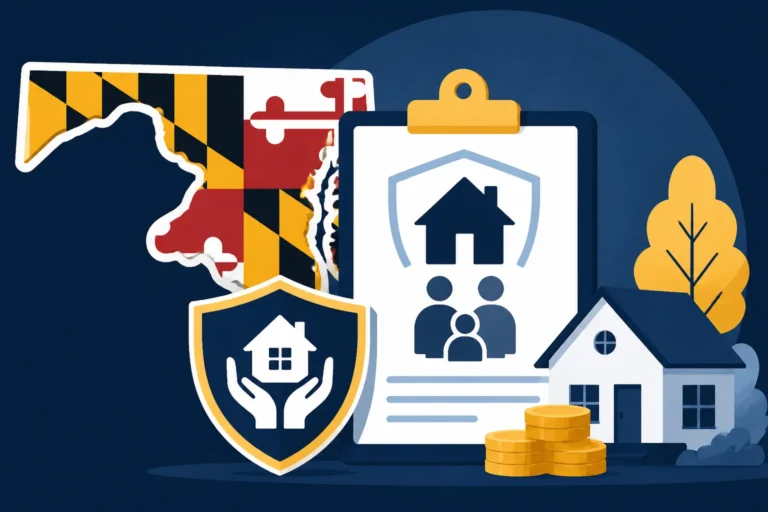
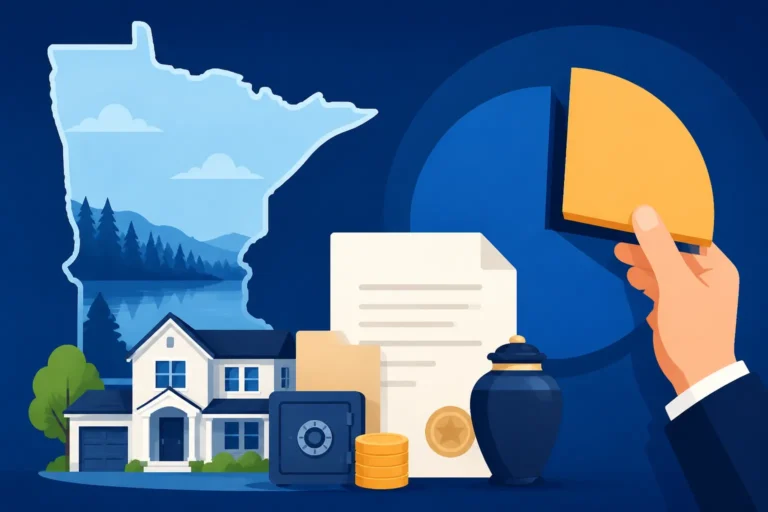
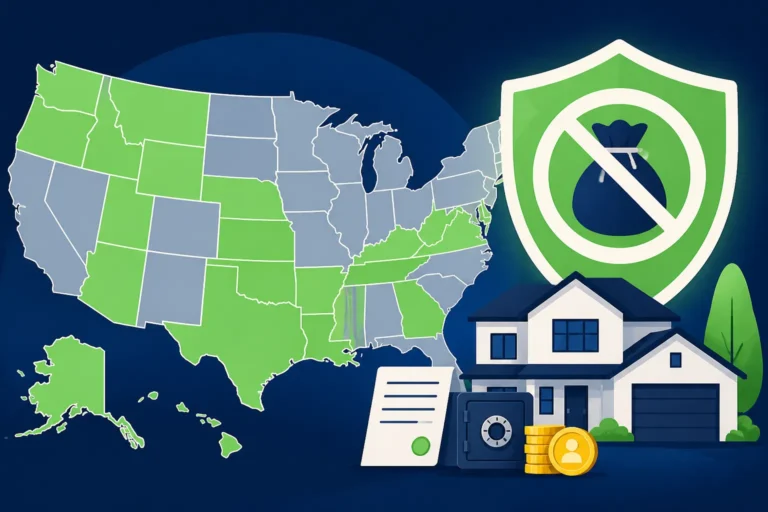
It's a common misconception that if you're domiciled in a state with no estate tax, you're entirely in the clear. While many states have indeed done away with their state estate taxes, a notable minority still impose them. As of 2026, there are still 12 states and the District of Columbia that levy a state estate tax. These states include Connecticut, Hawaii, Illinois, Maine, Maryland, Massachusetts, Minnesota, New York, Oregon, Rhode Island, Vermont, and Washington, plus the District of Columbia. If you own property in any of these states, even if you are not domiciled there, you could still be on the hook. Conversely, the vast majority of states do not have an estate tax. States like Florida, Texas, Arizona, and California are popular snowbird destinations precisely because they don't impose this tax, which can be a huge relief for families concerned about preserving their wealth.
However, the location of your physical property is often what triggers the tax, regardless of your domicile. For example, if you're domiciled in Florida, a state with no estate tax, but own a vacation home in coastal Maine, that Maine property might be subject to Maine's estate tax rules, even though your primary residence and legal domicile are elsewhere. This is known as "situs" taxation, meaning the property is taxed by the state where it's physically located. Understanding these nuances is crucial for any snowbird, especially when considering the Estate Tax on Out-of-State Property and how it might impact your beneficiaries.
Taxing Real Estate in Non-Domicile States
Let's dive deeper into how states with an estate tax handle real estate owned by non-residents. Generally, if you die domiciled in a state without an estate tax, your personal property (like bank accounts, investments, cars, and jewelry) will not be subject to that state's estate tax (because there isn't one) or any other state's estate tax based on your domicile. However, real estate is a different story.
Many of the states that impose an estate tax will also tax real property located within their borders, even if the deceased person was domiciled in a different state. This means if you, a Florida-domiciled snowbird, own a beautiful summer home in Oregon or a cabin in Washington State, those properties could be subject to the respective state's estate tax at your passing. For instance, Oregon Estate Tax ($1 Million Exemption) might apply to your Oregon property even if your primary residence is in a no-tax state. The estate would likely need to file a non-resident estate tax return in that specific state, valuing the property and paying any applicable tax based on that state's exemption and rate structure. This can lead to a situation where your estate has to deal with two separate tax systems: the federal estate tax (if your estate is large enough) and a state estate tax specifically for the real property located in a different state. It’s a complex area, and it’s why many families benefit from platforms like SmartAsset, which offer tools to help you understand potential liabilities and connect with financial advisors.
This process involves determining the fair market value of the property at the time of death and applying the non-resident estate tax rules of that state. It’s not just about the value of the property itself, but sometimes a proportion of your entire estate's value, based on the percentage of your total assets located in that taxing state. This kind of calculation is where things get incredibly complicated, often requiring expert guidance to ensure compliance and minimize tax burdens.
Strategies to Navigate Estate Tax for Snowbirds
The thought of losing a significant chunk of your estate to taxes, especially when you’ve worked so hard to build it up, is definitely unsettling. But for snowbirds, there are several proactive steps you can take to potentially mitigate state estate tax issues and ensure your wishes are honored without unnecessary complications.
Establishing Clear Domicile
The most fundamental step for snowbirds is to establish a clear and undeniable domicile in the state of your choice, ideally one without a state estate tax. This isn't just about saying you live somewhere; it requires a concerted effort to create a consistent paper trail and demonstrate a genuine intent to make that state your permanent home.
Here are some actionable steps:
- Update Your Driver's License and Vehicle Registration: Change these to your chosen domicile state. This is often one of the first things states look at.
- Register to Vote: Cast your ballot and register to vote in your chosen domicile state.
- File Federal Income Tax Returns: Use the address of your chosen domicile state for your federal tax filings.
- Change Bank Accounts and Investment Accounts: Update the mailing address on all financial accounts to your domicile.
- Update Estate Planning Documents: Ensure your will, trusts, and power of attorney documents clearly state your domicile. For instance, if you're focusing on avoiding the New York Estate Tax Cliff Explained, your documents should reflect a domicile outside of New York.
- Consolidate Memberships and Affiliations: Join clubs, religious organizations, or community groups in your chosen domicile state and minimize such ties in other states.
- Spend More Time There: While not always feasible year-round, try to physically spend the majority of your time in your chosen domicile, and keep records to prove it.
- Obtain a Homestead Exemption (if applicable): If your chosen domicile state offers a homestead exemption for property taxes, apply for it.
The key is consistency. Any conflicting information, like still using an old address for a credit card or maintaining a local library card in a different state, could undermine your claim of domicile and lead to a double domicile challenge by a taxing state.
Utilizing Estate Planning Tools
Beyond establishing clear domicile, various estate planning tools can be incredibly effective in managing or even reducing your estate tax liability, especially when dealing with properties in different states.
One of the most powerful tools is a revocable living trust. By transferring ownership of your properties, including your out-of-state vacation home, into a living trust, these assets avoid probate entirely. This is crucial because probate is a state-specific process, and having property in a trust can simplify the administration of your estate across state lines. While a revocable living trust doesn't inherently avoid estate taxes, it can provide a clear roadmap for how assets should be managed and distributed, and more importantly, it makes it easier for your estate to be settled under the laws of your chosen domicile.
For higher net worth individuals, particularly those with a very valuable primary residence, a Qualified Personal Residence Trust (QPRT) can be an excellent strategy. This irrevocable trust allows you to gift your home to your heirs at a reduced value for gift tax purposes, while still living in it for a specified term. After the term ends, the home passes to your beneficiaries, potentially removing its value from your taxable estate. Other trusts, such as Irrevocable Life Insurance Trusts (ILITs), can also be useful for removing life insurance proceeds from your taxable estate, providing liquidity to pay any remaining estate taxes without having to sell off other assets. These strategies require careful consideration and typically involve professional guidance.
Don't forget the power of beneficiary designations. For assets like retirement accounts (IRAs, 401(k)s) and life insurance policies, simply naming a beneficiary means these assets bypass probate and typically go directly to your chosen heirs. This simple step can significantly streamline the transfer of these assets and keep them out of complex multi-state probate proceedings. Additionally, exploring annual gifting strategies, such as using the Annual Gift Tax Exclusion 2026 ($19,000), can gradually reduce the size of your taxable estate over time while you're still alive.
Seeking Professional Guidance
Given the intricate web of state and federal estate tax laws, especially when factoring in multiple residences and potential domicile disputes, relying solely on online research or basic assumptions is risky. The complexity of how State Estate Tax Exemptions & Rates Compared 2026 vary, or how certain states like Maryland Estate Tax (Plus Inheritance Tax) have both types of taxes, demands specialized knowledge.
This is where a qualified estate planning attorney and a tax professional become invaluable. An attorney specializing in multi-state estate planning can help you:
- Clarify Domicile: Review your personal situation and help you solidify your domicile in the state of your choice, proactively identifying and correcting any inconsistencies that might invite a challenge.
- Structure Your Estate: Advise on the most appropriate trusts, beneficiary designations, and gifting strategies tailored to your specific assets and family goals, keeping both federal and state estate tax laws in mind.
- Draft State-Specific Documents: Ensure that all your wills, trusts, and other legal documents comply with the laws of the states where you own property, and that they clearly reflect your domicile.
- Navigate Non-Resident Tax Filings: Prepare your estate for the possibility of needing to file estate tax returns in multiple states if you own real property there, minimizing errors and ensuring compliance.
Working with a financial advisor who understands estate planning can also be beneficial in integrating your investment strategies with your overall estate plan. Tools like those offered by SmartAsset can help connect you with vetted financial professionals who have expertise in these complicated areas. They can offer a holistic view of your financial situation, helping you understand how various assets contribute to your gross estate and how different strategies might impact your heirs. It’s an investment in peace of mind, knowing that your loved ones won't be burdened with unnecessary legal and financial headaches during an already difficult time.
The table below offers a simple comparison of factors states consider when determining domicile:
| Factor Considered by States | Strong Indicator of Domicile | Weak Indicator of Domicile |
|---|---|---|
| Voter Registration | Registered in State A | Not registered, or registered in State B |
| Driver's License | Issued by State A | Issued by State B, or expired |
| Federal Tax Filing Address | Uses State A address | Uses State B address |
| Primary Residence Location | Owns/rents and lives in State A for majority of year | Owns/rents in State B, or spends equal time |
| Bank Accounts/Financial Address | Primary accounts in State A, addresses updated | Accounts in State B, or addresses not updated |
| Location of Valuables | Most prized possessions in State A | Most prized possessions in State B |
| Family/Social Ties | Children/grandchildren live in State A, active in local community | Children/grandchildren live in State B, few local ties in State A |
| Healthcare Providers | Primary doctors in State A | Primary doctors in State B |
Disclaimer
Please remember that this article provides general information and insights into estate tax considerations for snowbirds. Tax laws are complex, constantly changing, and highly dependent on individual circumstances. This content is not intended as legal, financial, or tax advice. You should always consult with a qualified estate planning attorney, tax advisor, or financial professional to discuss your specific situation and make informed decisions.