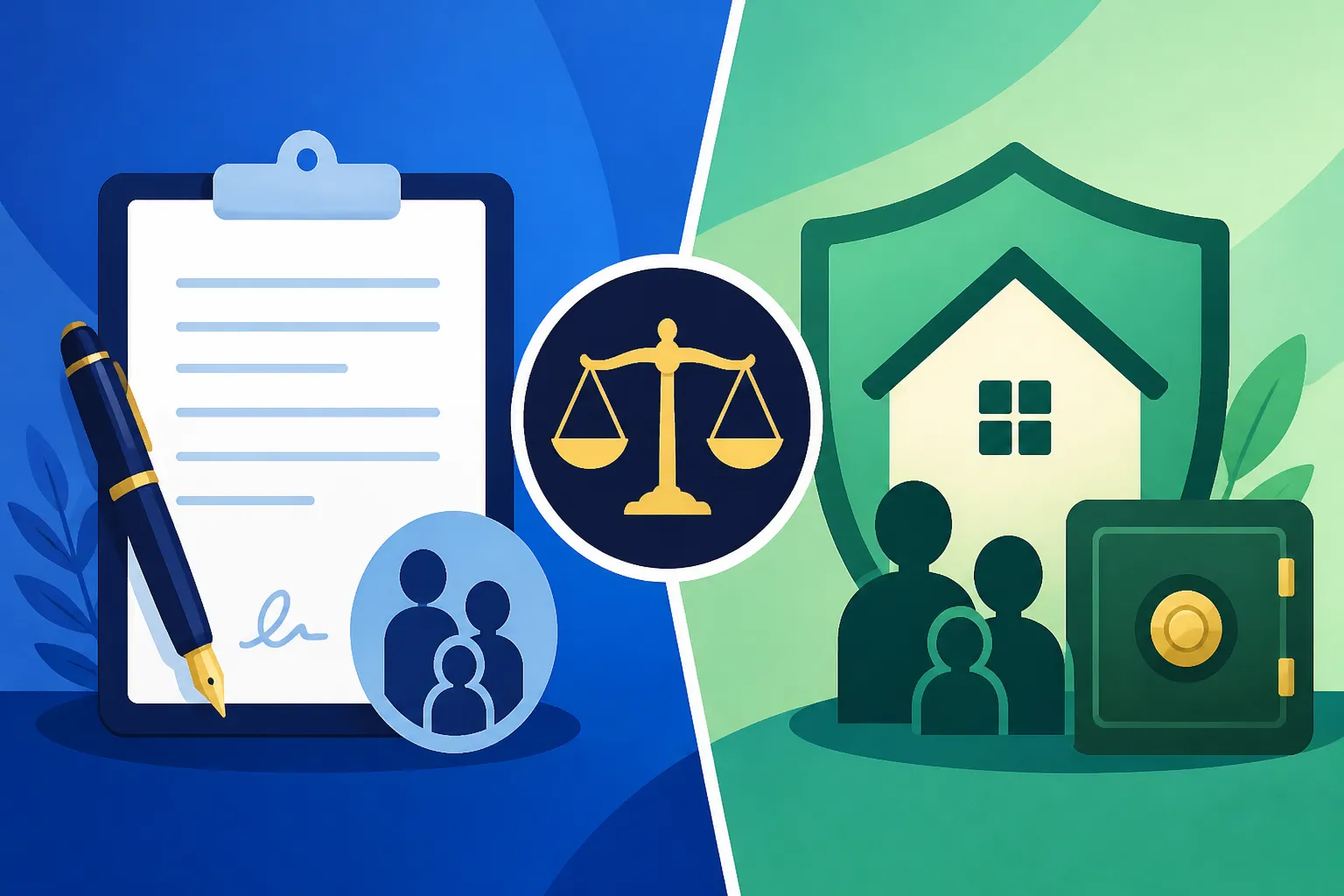
What Is the Difference Between a Will and a Living Trust?
It’s easy to feel overwhelmed by all the legal jargon when you're trying to get your estate in order. Two terms that often get tossed around interchangeably, but are actually quite distinct, are "will" and "living trust." If you've been scratching your head wondering if you need one, the other, or both, you’re definitely not alone. This guide is here to clear up the confusion, lay out the key differences, and help you understand which estate planning tool might be the best fit for your unique situation.
Understanding the Basics: What is a Will?
When most people think about estate planning, a "will" is usually the first thing that comes to mind. It's often seen as the foundational document, and for good reason. A last will and testament is a legal document that outlines your wishes for the distribution of your assets and the care of any minor children after your passing. It’s essentially your voice from beyond, ensuring your desires are respected.
How a Will Works
Think of a will as a detailed instruction manual for what happens after you're gone. When you pass away, your will typically needs to go through a legal process called probate. Probate is a court-supervised procedure where a judge validates your will, ensures all your debts are paid, and then supervises the distribution of your remaining assets to your chosen beneficiaries. This process can be lengthy and, frankly, quite tedious for your grieving family.
For example, imagine you meticulously outlined in your will that your antique watch collection should go to your nephew, and your beloved family home to your daughter. Without a will, the state’s intestate laws would decide who gets what, and it might not align with your wishes at all. The will gives you that crucial control over these decisions. However, because it goes through probate, there's usually a delay before your beneficiaries actually receive anything. If you're wondering, What Is Probate? Complete Guide can offer a deeper dive into this often-misunderstood process.
Key Components of a Will
A robust will covers several critical areas that can provide immense peace of mind. First and foremost, it names an executor (also called a personal representative), who is the person responsible for carrying out the instructions in your will, managing your estate, and seeing it through the probate process. This is a huge responsibility, so choosing someone trustworthy and capable is paramount.
Secondly, a will clearly identifies your beneficiaries and specifies exactly which assets they will receive. This prevents potential disputes and ensures your cherished possessions land in the right hands. Perhaps one of the most vital functions of a will, especially for parents, is the ability to name guardians for minor children. Without this provision, a court would make that critical decision for you, and it might not be the person you would have chosen to raise your kids. This alone is a compelling reason for many people to get a will in place.
Limitations and Downsides of a Will
While wills are indispensable, they do have their drawbacks, primarily concerning the probate process. As mentioned, everything dictated in a will must go through probate court. This means public records, potential delays, and often, significant costs that reduce the amount your heirs ultimately inherit. Families often express immense frustration with how long it takes, sometimes dragging on for months or even years. If you've heard stories about estates being tied up for ages, it's usually due to probate. You can learn more about this in our article, How Long Does Probate Take?.
Furthermore, a will only becomes effective upon your death. It offers no protection or guidance if you become incapacitated during your lifetime. Should you become unable to make decisions due to illness or accident, a separate legal document, like a durable power of attorney, would be necessary to manage your financial affairs. Without it, your family might have to go to court to establish a guardianship, which is another costly and public process.
Understanding the Basics: What is a Living Trust?
Now, let's turn our attention to the living trust, an increasingly popular estate planning tool that offers a different approach to managing and distributing your assets. Unlike a will, a living trust isn't just about what happens after you're gone; it’s active during your lifetime and beyond.
How a Living Trust Works
A living trust, specifically a revocable living trust, is a legal arrangement where you transfer ownership of your assets (like your home, bank accounts, investments, and other property) from your name to the name of the trust. You, the "grantor" or "settlor," create the trust, and you also typically act as the "trustee," managing these assets for your own benefit during your lifetime. This means you still have full control over your property, just under the umbrella of the trust.
What makes a living trust particularly powerful is that it includes instructions for who manages your assets if you become incapacitated and how those assets should be distributed to your beneficiaries upon your death. When you pass away, a "successor trustee" you've named steps in to manage and distribute the trust assets according to your instructions, all without court involvement. This bypasses the often dreaded probate process entirely, which is a massive advantage for many families. For a deeper explanation of this critical document, check out Revocable Living Trust Explained.
Key Components of a Living Trust
Creating a living trust involves several key roles and documents. First, you have the grantor(s), the person or couple who creates and funds the trust. Then there's the trustee(s), the individual(s) responsible for managing the trust assets. As mentioned, you usually start as your own trustee. Finally, you name beneficiaries, the individuals or organizations who will ultimately receive the assets from the trust. You’ll also designate successor trustees who take over if you become incapacitated or pass away.
The core document is the trust agreement itself, which details all the rules, beneficiaries, and instructions for asset management and distribution. Crucially, funding the trust is what makes it effective. This means officially transferring titles of assets like real estate, bank accounts, and investment portfolios into the trust's name. It's a bit like moving your valuables from one safe to another, but this new "safe" has a detailed manual for how it should be opened and its contents distributed under various circumstances. Many people find that even setting up a basic living trust can be done through services like LegalZoom, although complex estates often benefit from attorney guidance.
Advantages and Disadvantages of a Living Trust
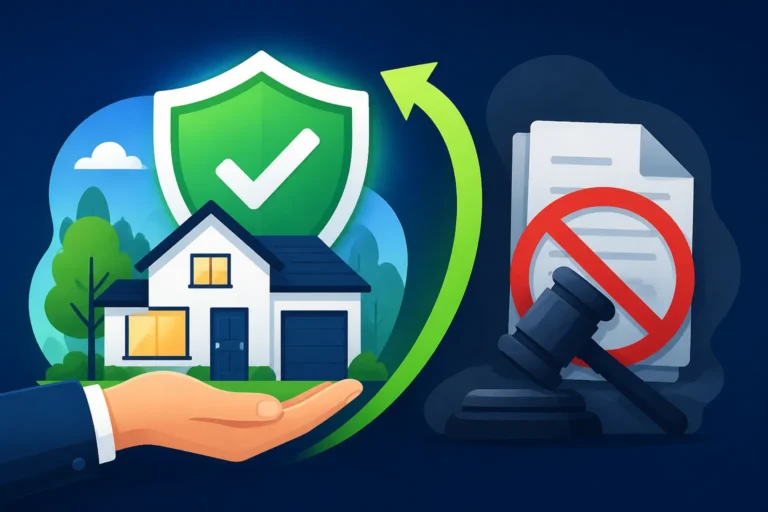
The biggest advantage of a living trust, hands down, is its ability to bypass probate. This means your estate can be settled much faster, privately, and often with less expense, saving your family time, stress, and money. Imagine the relief of your loved ones not having to navigate the complicated court system during a time of grief. This also ensures your financial affairs remain private, unlike a will, which becomes a public record during probate. You can explore strategies for this benefit in How to Avoid Probate.
Another significant benefit is its effectiveness during incapacitation. Since the trust is already "funded" with your assets and names a successor trustee, that person can immediately step in to manage your financial affairs if you become unable to do so, without the need for court intervention. This provides seamless continuity of care for your assets.
However, living trusts do have their downsides. They are generally more expensive and complex to set up than a simple will. The initial legal fees are higher because they involve more intricate drafting and the crucial step of "funding" the trust. While services like LegalZoom offer templates, ensuring all your assets are properly titled in the trust can require more attention than simply signing a will. Also, while you retain control, the administrative burden of maintaining the trust, such as ensuring newly acquired assets are properly titled into the trust, can be a minor inconvenience.
Key Differences: Will vs. Living Trust
Now that we’ve covered the individual characteristics of wills and living trusts, let’s lay out their fundamental differences side-by-side to truly highlight why one might be chosen over the other. It’s not just about what they do, but how and when they do it.
Asset Control and Distribution
With a will, your assets remain in your individual name until your death. The will then dictates how they should be distributed, but this distribution only occurs after the probate court has validated the will and authorized the executor to act. During your lifetime, you maintain complete, direct control over all your assets as an individual owner. This means you can sell, gift, or use your property as you see fit without any trust-related formalities.
In contrast, with a living trust, you transfer ownership of your assets into the trust during your lifetime. Even though the trust now legally owns the assets, you, as the trustee, still have complete control over them. You can manage, invest, sell, or even revoke the trust entirely. The key distinction is that upon your death, the trust assets are distributed by your successor trustee according to the trust's terms, bypassing probate. This offers a smoother, often quicker transition of assets to your beneficiaries.
Probate Avoidance
This is perhaps the most significant differentiator. A will requires probate for the assets it covers. This means court supervision, public records, and often, considerable delays and costs. Think of probate as a waiting room for your assets, and everyone has to sit there until a judge says it’s time to move forward. The fees can vary wildly, but some states can see probate costs eat up a significant percentage of the estate. Our guide on How Much Does Probate Cost? breaks down some of these potential expenses.
A properly funded living trust, however, avoids probate for all assets held within it. The successor trustee simply steps in and carries out your wishes, often distributing assets within weeks or months, not years, and without court interference. This is a huge relief for families who are already dealing with grief and don't need the added stress and public scrutiny of probate. For those living in states with historically complex or costly probate processes, like California or Florida, avoiding probate is a major driving force behind choosing a living trust.
Privacy Concerns
When a will goes through probate, it becomes a public record. This means anyone can access information about your assets, debts, and who inherited what. For some, this lack of privacy is a significant concern. They might not want their financial details or family matters aired in public.
A living trust, on the other hand, keeps your estate plan and asset distribution entirely private. The trust document itself and the process of asset distribution remain confidential between your successor trustee and your beneficiaries. This can be especially important for high-net-worth individuals, those with complex family dynamics, or anyone who simply values their privacy.
Cost and Complexity
Generally, creating a basic will is less expensive upfront than setting up a living trust. Many individuals opt for online services like LegalZoom to draft straightforward wills, which can keep initial costs quite low. While an attorney-drafted will costs more, it's still often less than a trust. However, remember that wills typically incur probate costs later on.
A living trust has a higher initial setup cost dueoring the drafting by an attorney, and it requires the extra step of funding (retitling assets into the trust's name). This can seem more complex upfront. However, the investment often pays off by significantly reducing or eliminating probate costs and delays later. It’s a trade-off: pay more now for simplicity and privacy later, or pay less now but potentially leave your family with more hassle and expense down the road. It really depends on your specific circumstances and priorities. Our article on Online Wills vs Attorney: Which Is Better? might help you weigh these initial cost decisions.
Deciding Which is Right for You
Choosing between a will and a living trust isn't a one-size-fits-all decision. Your personal circumstances, the complexity of your assets, your family situation, and your priorities all play a crucial role. Many people actually benefit from having both, as these tools can complement each other beautifully.
When a Will Might Be Enough
For many individuals and families, a simple will is an entirely appropriate and effective estate planning tool. If you have a relatively modest estate, limited assets, and aren't overly concerned about probate delays or privacy, a will might be all you need. It ensures your assets are distributed according to your wishes and, crucially, allows you to name guardians for minor children. If you pass away without a will, the state's intestacy laws will dictate who inherits your property, which can be a deeply frustrating outcome for your family and doesn't always align with your desires. For those wondering, Dying Without a Will (Intestate) Explained can shed light on this scenario.
A will is also generally sufficient if most of your assets are already set up to bypass probate through other means, such as jointly owned property with rights of survivorship, or accounts with designated beneficiaries (like life insurance policies or retirement accounts). In these cases, those assets wouldn't be subject to probate anyway, making a trust less critical for them. If you’re asking yourself, Do I Need a Will?, consider these factors carefully.
When a Living Trust Becomes Essential
A living trust truly shines and becomes essential for individuals with more complex estates, those who own real estate in multiple states, or anyone who prioritizes privacy and avoiding probate at all costs. If you have significant assets, especially a home, a living trust can save your heirs a tremendous amount of time, money, and stress. Imagine owning a vacation home in Arizona and a primary residence in Washington; a living trust could prevent separate probate proceedings in both states.
Furthermore, if you want a seamless transition of asset management in case of your incapacitation, a living trust is superior. It provides clear instructions for a successor trustee to manage your affairs without court intervention. It's also an excellent choice for those with beneficiaries who may be minors, have special needs, or are not adept at managing large sums of money, as a trust can hold and manage assets for them over time. If you’re thinking, Do I Need a Trust?, these situations are strong indicators.
Combining a Will and a Living Trust
It's actually quite common and often advisable to have both a will and a living trust. When you have a living trust, you'll often create what's called a "pour-over will." This type of will acts as a safety net. It states that any assets you forgot to transfer into your living trust during your lifetime should "pour over" into the trust after your death.
While the goal is to fund your trust completely to avoid probate, sometimes things are missed. A pour-over will ensures that even those overlooked assets eventually make it into your trust and are distributed according to its terms. This ensures comprehensive coverage for all your property, providing the maximum level of control, privacy, and probate avoidance for your entire estate. Utilizing resources like LegalZoom or working with an attorney can help ensure both documents are properly drafted and integrated for a cohesive estate plan. When considering your overall strategy, our article on Will vs Trust: Which Do You Need? provides further guidance.
| Feature | Last Will and Testament | Revocable Living Trust |
|---|---|---|
| Effectiveness | Takes effect only upon death. | Takes effect immediately upon creation. |
| Probate | Assets covered by the will must go through probate. | Assets transferred to the trust avoid probate. |
| Privacy | Becomes public record during probate. | Remains private. |
| Incapacitation | Does not cover incapacitation; requires separate documents. | Provides for asset management during incapacitation. |
| Cost | Lower initial setup cost; higher potential probate costs. | Higher initial setup cost; lower/no probate costs. |
| Asset Transfer | Assets distributed by executor after probate. | Assets distributed by successor trustee without probate. |
| Flexibility | Can be easily changed or revoked at any time. | Can be easily changed or revoked at any time (as grantor). |
| Guardian for Minors | Essential for naming guardians for minor children. | Cannot name guardians; a will is still needed for this. |
Disclaimer
Please remember that this article provides general information and is not intended as legal or financial advice. Estate laws are complex and vary by state and individual circumstances. It is always recommended to consult with a qualified estate planning attorney or financial advisor to discuss your specific situation and create a plan tailored to your needs.