Do I Need a Trust?
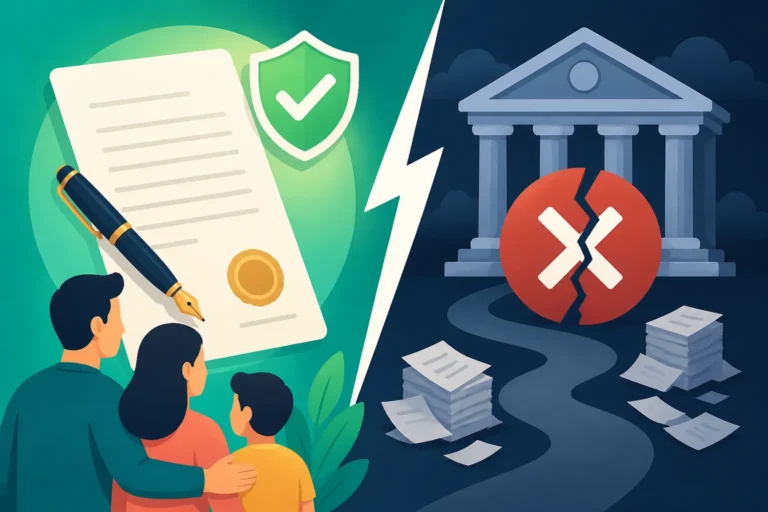
The thought of planning for what happens after you're gone can feel overwhelming, tangled up in legal jargon and complicated decisions. Many folks wonder if a simple will is enough or if they really need to dive into something more complex like a trust to protect their loved ones and their legacy. This guide is here to untangle the mystery of trusts, helping you understand what they are, why they might be a powerful tool for your family, and when they might not be the right fit.
Understanding the Basics: What Exactly Is a Trust?
When you hear the word "trust," your mind might jump to images of wealthy families or complex legal battles, but in reality, a trust is a pretty straightforward legal arrangement, albeit with significant power. At its core, a trust is a fiduciary arrangement that allows a third party, known as a trustee, to hold assets on behalf of a beneficiary or beneficiaries. Think of it as a special container you put your assets into, with instructions for how and when those assets should be distributed.
The Trio: Grantor, Trustee, and Beneficiary
Every trust involves three key players, and understanding their roles is crucial to grasping how a trust functions.
The Grantor (sometimes called the Settlor or Trustor) is you – the person who creates the trust. You're the one deciding what assets go into the trust and who will ultimately benefit from them. It's your vision, your instructions, your legacy being set up. You choose the rules, the beneficiaries, and the person who will manage it all. It can feel like a big responsibility to establish these instructions, but it's also empowering to know your wishes will be carried out.
The Trustee is the individual or entity responsible for managing the assets held within the trust, strictly according to the grantor's instructions. This is a huge responsibility, as the trustee has a fiduciary duty to act in the best interests of the beneficiaries. This could be a family member, a trusted friend, or even a professional trust company. Choosing a trustee is a really important decision, as they're the gatekeeper of your wishes. They'll handle everything from investing the assets to making distributions, so you want someone reliable, financially savvy, and trustworthy.
The Beneficiary is the person or people who will ultimately receive the assets from the trust. These are the loved ones you're trying to protect and provide for. You can name multiple beneficiaries, define specific conditions for them to receive distributions (like reaching a certain age, graduating college, or getting married), and even stipulate how those funds should be used. This flexibility is one of the most appealing aspects of a trust – it allows for a highly personalized approach to distributing your wealth.
What Assets Can Go Into a Trust?
Practically anything of value can be placed into a trust, making it an incredibly versatile estate planning tool. This includes real estate – perhaps your family home or a vacation property – bank accounts, investment portfolios, stocks, bonds, business interests, and even valuable personal property like artwork or jewelry.
The key is "funding" the trust, which means legally transferring ownership of these assets from your name into the name of the trust. This step is often overlooked, but it's absolutely vital. A trust with no assets in it is like a beautifully wrapped empty box – it looks nice, but it doesn't do anything. Properly funding your trust ensures that those assets bypass probate and are managed according to your specific instructions. For instance, if you want your home to avoid the lengthy and public probate process, you'd need to transfer its title from your personal name to the trust's name. This proactive step ensures your planning efforts truly pay off.
Trust vs. Will: Understanding the Core Differences
Many people mistakenly think a will and a trust are interchangeable, but they actually serve different, albeit complementary, purposes in your estate plan. While both are crucial for dictating how your assets are distributed, they operate very differently in terms of timing, privacy, and how they handle probate. Deciding Will vs Trust: Which Do You Need? is a critical step in comprehensive estate planning.
The Role of a Will: Your Final Instructions
A will is a legal document that outlines your wishes for the distribution of your assets after your death. It's essentially your voice from beyond, giving instructions on who should inherit your property, who should be the guardian of your minor children, and who should serve as your executor to oversee the process. For many, a will feels like the most natural starting point for estate planning, and it's certainly better than having no plan at all.
However, a will's primary limitation is that it almost always has to go through probate. Probate is the legal process where a court validates your will, pays off any debts, and then officially distributes your assets to your heirs. This process can be time-consuming, expensive, and publicly accessible. Imagine your family grieving and then having to navigate court dates, paperwork, and legal fees, all while details of your finances become public record. That's a significant stressor many wish to avoid.
The Advantages of a Trust: Bypassing Probate and More
Unlike a will, a properly funded trust allows your assets to bypass probate entirely. This is one of the biggest motivators for people to set up a trust. When assets are owned by the trust, they are no longer part of your personal estate when you pass away. Instead, the trustee you appointed simply follows the instructions in the trust document to distribute the assets to your beneficiaries, often much more quickly and privately than through probate.
Think about it: instead of court appearances, public filings, and potentially months or even years of waiting, your beneficiaries could receive their inheritance in a matter of weeks or a few months, depending on the complexity of the trust and assets involved. This speed and privacy can be a huge relief for your family during an already difficult time. Beyond probate avoidance, trusts offer a level of control and protection that wills simply cannot match, as we'll explore further.
When a Will and Trust Work Together
It's common for people to have both a will and a trust as part of a robust estate plan. Often, a "pour-over will" is used in conjunction with a revocable living trust. This type of will acts as a safety net, stating that any assets you forgot to transfer into your trust during your lifetime should be "poured over" into the trust after your death.
While these forgotten assets would still go through probate, the pour-over will ensures they eventually end up in the trust and are distributed according to its terms, rather than state intestate laws. This combined approach offers comprehensive coverage, making sure all your bases are covered and your wishes are ultimately honored, even if a few details slip through the cracks during your lifetime.
Key Reasons Why You Might Need a Trust
While a will is a foundational estate planning document, a trust can provide a much deeper layer of control, privacy, and protection for your assets and beneficiaries. If you're wondering, "Do I need a trust?", consider these compelling reasons that go beyond what a simple will can offer.
Avoiding the Probate Process
We've touched on this, but it bears repeating: avoiding probate is often the number one reason people choose to establish a trust. What Is Probate? Complete Guide delves into the nitty-gritty, but essentially, it's the legal process that validates a will, settles debts, and distributes assets. It's notoriously public, time-consuming, and can be quite expensive.
Imagine your loved ones, already grappling with grief, having to endure months or even years of court proceedings, legal fees, and administrative headaches. All the while, details of your estate – who gets what, how much it's worth – become part of the public record, accessible to anyone. A properly funded trust keeps your estate out of the public eye and out of court, allowing for a much smoother and more private transfer of assets to your beneficiaries. This can mean less stress, fewer costs, and quicker access to inherited funds for your family.
Maintaining Privacy for Your Family's Affairs
In our increasingly digital world, privacy is a prized commodity, and that extends to your financial and personal affairs after you pass away. As mentioned, a will that goes through probate becomes a public document. This means anyone—from nosy neighbors to potential creditors or even scam artists—could access details about your assets, debts, and who your beneficiaries are. This exposure can make your family vulnerable and add unnecessary stress during an already difficult time.
A trust, on the other hand, keeps your estate plan entirely private. The terms of the trust, the value of its assets, and the identities of your beneficiaries are not filed with the court and remain confidential. This provides a significant layer of protection for your family, safeguarding their privacy and potentially reducing the risk of disputes or unwanted solicitations. It ensures that your legacy is managed discreetly, according to your private wishes.
Protecting Assets for Future Generations
Many individuals use trusts to ensure that their assets are managed responsibly and distributed wisely to their beneficiaries, especially if those beneficiaries are young, financially inexperienced, or might be vulnerable to poor financial decisions. For example, if you have minor children, you can set up a trust that dictates when and how they receive their inheritance—perhaps in stages as they reach certain ages or for specific purposes like education or starting a business. This prevents a large lump sum from being given to a young adult who might not be ready to manage it.
Furthermore, trusts can protect assets from your beneficiaries' potential creditors, divorcing spouses, or even future estate taxes. If your child has significant debt, for instance, assets held in a protective trust might be shielded from their creditors, ensuring that your inheritance genuinely benefits them. This foresight can be invaluable, offering peace of mind that your hard-earned assets will truly serve their intended purpose for generations to come.
Planning for Incapacity
One of the often-overlooked benefits of a revocable living trust is its ability to plan for your own potential incapacity. Life is unpredictable, and none of us know when an illness or accident might leave us unable to manage our own financial affairs. Without a trust or a durable power of attorney, your family might have to go to court to have a conservator or guardian appointed, a process that can be costly, emotionally draining, and invasive.
With a Revocable Living Trust Explained, you can name a successor trustee to step in and manage your assets for your benefit if you become incapacitated. This person can pay your bills, manage your investments, and ensure your care is provided for, all without court intervention. This continuity of management ensures your financial life continues smoothly, and your family can focus on your well-being rather than grappling with legal hurdles.
Minimizing Estate Taxes
For larger estates, trusts can be an indispensable tool for minimizing state and federal estate taxes. While the federal estate tax exemption is quite high – for 2026, it's $15 Million Federal Estate Tax Exemption 2026 ($15 Million) per individual – many states have much lower exemption thresholds. For example, states like Oregon and Massachusetts have exemptions in the low millions, meaning many more families could be subject to state estate taxes.
Certain types of trusts, such as irrevocable life insurance trusts (ILITs) or charitable trusts, can effectively remove assets from your taxable estate, thereby reducing the amount of estate tax that would otherwise be due. This strategic use of trusts is a cornerstone of advanced estate planning for high-net-worth individuals and families, ensuring that more of your wealth passes to your heirs and less to the taxman. Learning How to Avoid Estate Tax With Trusts can make a significant difference in preserving your legacy.
Types of Trusts: Finding Your Fit
The world of trusts can seem vast and complex, but understanding the basic distinctions between the most common types can help clarify which might be right for your unique situation. The primary split is between revocable and irrevocable trusts, but there are many specialized trusts designed for specific purposes.
Revocable Living Trusts: Flexibility and Control
A Revocable Living Trust is the most common type of trust people consider for their estate planning, primarily because it offers immense flexibility. "Revocable" means you, as the grantor, can change, amend, or even completely dissolve the trust at any point during your lifetime, as long as you're mentally competent. You typically serve as the initial trustee and beneficiary, maintaining full control over your assets while you're alive.
The beauty of a revocable living trust lies in its ability to adapt to life's changes. If your financial situation shifts, your family dynamics evolve, or tax laws change, you can modify the trust to reflect your current wishes. It also acts as an excellent incapacity planning tool, as it designates a successor trustee to manage your affairs if you become unable to do so. Upon your death, the trust becomes irrevocable, and your chosen successor trustee distributes the assets according to your instructions, completely bypassing probate. It's truly a living document, evolving with you.
Irrevocable Trusts: Asset Protection and Tax Benefits
An Irrevocable Trust, as the name suggests, is much more rigid. Once you create and fund an irrevocable trust, you generally cannot change or revoke it without the consent of the trustee and all beneficiaries. This might sound daunting, but this permanence is precisely what gives irrevocable trusts their powerful advantages, particularly in terms of asset protection and tax planning.
When you transfer assets into an irrevocable trust, you are effectively giving up your ownership rights to those assets. Because they are no longer considered part of your personal estate, they are typically protected from creditors, lawsuits, and future estate taxes. This can be a game-changer for those with significant wealth or those concerned about long-term care costs. While you lose control, the trade-off is often enhanced security and potential tax savings. There are various specialized Types of Trusts Explained (ILIT, GRAT, QTIP & More) that fall under the irrevocable umbrella, each designed for specific financial objectives.
Specialized Trusts for Specific Needs
Beyond the core revocable and irrevocable structures, there's a whole world of specialized trusts designed to address particular situations:
- Special Needs Trusts: These are crucial for families with a loved one who has a disability. They allow you to leave assets for their benefit without jeopardizing their eligibility for crucial government assistance programs like Medicaid or Supplemental Security Income (SSI). The trust pays for supplemental needs not covered by these programs, ensuring a higher quality of life without disrupting vital benefits.
- Spendthrift Trusts: If you have beneficiaries who might be financially irresponsible, a spendthrift trust can protect their inheritance. It restricts their access to the principal, often distributing funds in installments or for specific needs, and shields the assets from their creditors.
- Charitable Trusts: For those with philanthropic goals, charitable trusts allow you to support your favorite causes while potentially generating income for yourself or your family and receiving tax benefits. These can be complex but offer significant advantages for both your beneficiaries and chosen charities.
- Life Insurance Trusts (ILITs): An Irrevocable Life Insurance Trust (ILIT) is often used to hold a life insurance policy. By having the trust own the policy, the death benefit is kept out of your taxable estate, which can significantly reduce estate taxes for high-net-worth individuals, ensuring more of that payout goes to your heirs.
Choosing the right type of trust depends entirely on your personal goals, financial situation, and the needs of your beneficiaries. It's rarely a one-size-fits-all solution, and a thoughtful discussion with an estate planning attorney is essential to navigate these options.
How Trusts Work in Practice: The Mechanics of Management
Once you've decided a trust might be right for you and selected the type, the next step is to understand how it actually functions in the real world. This involves setting it up, funding it, and understanding the ongoing responsibilities of the trustee. It's not just a document; it's a living entity that requires active management.
Setting Up the Trust Document
The first practical step is to create the actual trust document. This legal instrument outlines all the rules, conditions, and instructions for how your assets will be managed and distributed. It will name the grantor, the initial trustee (often yourself for a revocable living trust), the successor trustee, and the beneficiaries. It will detail how assets are to be distributed—whether outright, in stages, for specific purposes, or held for a longer duration.
This document is typically drafted by an attorney specializing in estate planning. While services like LegalZoom offer templates, the complexities of trust law and the nuances of individual situations often warrant professional legal guidance. An experienced attorney can ensure the trust is legally sound, aligns perfectly with your goals, and anticipates potential challenges or changes in law. They can also advise on the proper language to avoid ambiguity, which could lead to disputes down the line.
Funding the Trust: The Critical Step
After the trust document is signed and notarized, the most critical next step is funding the trust. This means legally transferring ownership of your assets from your individual name into the name of the trust. Without this step, your trust is essentially an empty shell and cannot achieve its intended purpose of avoiding probate or protecting assets.
Funding typically involves:
- Real Estate: Deeding your property from your individual name to the name of the trust. For example, "John Doe, Trustee of The Doe Family Trust dated January 1, 2024."
- Bank Accounts: Changing the account title at your bank to the trust's name.
- Investment Accounts: Working with your brokerage firm to retitle your accounts.
- Life Insurance Policies: Changing the ownership and/or beneficiary designation of the policy to the trust (especially for an ILIT).
This step often feels tedious, and it's easy to procrastinate. However, it's absolutely vital. If assets are not properly transferred into the trust, they will still be part of your probate estate and subject to the very process you sought to avoid. Your estate planning attorney or financial advisor can provide detailed instructions and help you through this administrative but crucial phase.
The Role of the Trustee: Active Management and Fiduciary Duty
Once the trust is established and funded, the trustee takes on a significant role. If you've created a revocable living trust, you'll likely act as the initial trustee. This means you continue to manage your assets as before – writing checks, making investment decisions, and living your life. However, when you become incapacitated or pass away, your named successor trustee steps in.
The successor trustee has a fiduciary duty to manage the trust assets prudently and distribute them strictly according to your instructions in the trust document. This isn't just a friendly favor; it's a legal obligation. Their responsibilities can include:
- Asset Management: Investing trust assets wisely, ensuring they grow or are preserved for beneficiaries.
- Record Keeping: Maintaining meticulous records of all transactions, income, and distributions.
- Tax Filings: Filing any necessary trust tax returns.
- Distributions: Making payments to beneficiaries as directed by the trust.
- Communication: Keeping beneficiaries informed, where appropriate, about the trust's activities.
This demanding role highlights the importance of choosing a trustworthy, organized, and financially capable individual or entity to serve as your trustee. A professional trustee, such as a bank or a trust company, can offer expertise and impartiality, especially for complex trusts or if no suitable family member is available.
When a Trust Might Not Be Necessary
While trusts offer incredible benefits for many families, they aren't a universal solution for everyone. For some, the added complexity and cost might outweigh the advantages. It's important to be realistic about your situation and assess if a trust truly aligns with your needs or if simpler solutions might suffice.
Smaller Estates and Simple Distributions
If your estate is relatively small, meaning its value falls below your state's probate threshold, a trust might not be necessary. Many states have "small estate affidavit" procedures or simplified probate processes for estates under a certain value, which can be much quicker and less expensive than full probate. For instance, in states like California, if the total value of your probate estate is under a certain amount (currently $184,500), your heirs might be able to use a simplified affidavit process to transfer assets.
Furthermore, if your wishes for asset distribution are very straightforward – for example, leaving everything outright to a spouse and then equally to adult children with no complex conditions – a will combined with proper beneficiary designations on accounts might be sufficient. The primary benefit of a trust often comes with complexity in assets, beneficiaries, or desired control. If your situation is quite simple, the costs and effort of setting up and funding a trust might feel excessive.
Reliance on Beneficiary Designations
For many types of assets, you can bypass probate simply by naming a beneficiary directly on the account or policy. This is often referred to as "transfer-on-death" (TOD) or "payable-on-death" (POD). These designations effectively mean that when you pass away, the asset goes directly to the named individual, bypassing your will and the probate court.
Common assets that can use beneficiary designations include:
- Life insurance policies
- Retirement accounts (401(k)s, IRAs)
- Bank accounts
- Brokerage accounts
- Some states even allow TOD deeds for real estate.
If a significant portion of your wealth is held in these types of accounts and you've clearly designated beneficiaries, you've already achieved a form of probate avoidance for those specific assets. However, remember that beneficiary designations generally offer less control than a trust. For example, you can't stipulate that your child receives funds in installments or that they're protected from creditors with a simple beneficiary form. You might also want to explore Estate Tax When One Spouse Dies to understand how these designations play a role.
The Cost and Complexity Factor
Let's be honest, setting up a trust involves more time, paperwork, and typically higher upfront legal fees than drafting a simple will. While the long-term savings in probate costs and potential tax benefits often outweigh these initial expenses, it's a significant consideration for some budgets. The initial cost for a comprehensive revocable living trust, for example, can range from a couple of thousand dollars to several thousand, depending on the complexity of your estate and where you live.
Beyond the initial setup, a trust requires ongoing maintenance. You need to ensure it remains properly funded, review it periodically to ensure it reflects your current wishes and legal changes, and potentially pay fees for professional trustee services if you choose that route. For individuals with modest assets or very straightforward situations, these additional costs and complexities might not be justified. In these cases, a well-drafted will, carefully chosen beneficiary designations, and perhaps joint ownership for certain assets might be a more practical and cost-effective approach to your estate planning needs.
The Process of Setting Up a Trust
Deciding to set up a trust is a significant step, and understanding the process involved can make it feel less daunting. It's not an overnight task, but a structured journey that ensures your wishes are legally sound and effectively implemented.
Engaging an Estate Planning Attorney
For most people, the first and most crucial step in setting up a trust is to engage a qualified estate planning attorney. While online services like LegalZoom can provide a starting point or useful templates for simple wills, the complexities of trust law, state-specific requirements, and the nuances of your personal financial situation usually demand professional legal expertise. An attorney will:
- Assess Your Needs: They'll conduct a thorough review of your assets, family dynamics, and goals to recommend the most appropriate type of trust and overall estate plan. They might ask about beneficiaries, potential tax concerns, or any special circumstances like a child with special needs or a business you own.
- Draft the Trust Document: They will meticulously draft the trust instrument, ensuring it is legally compliant, clear, and accurately reflects your intentions. This includes defining the grantor, trustee, beneficiaries, successor trustees, and all conditions for asset management and distribution.
- Coordinate with Other Professionals: Your attorney can work with your financial advisor, accountant, and insurance agent to ensure your trust integrates seamlessly with your overall financial plan. This holistic approach prevents gaps or contradictions in your planning.
Choosing the right attorney is vital. Look for someone experienced in estate planning, with a strong understanding of both federal and state laws relevant to your situation. You want someone who can explain complex legal concepts in an understandable way and who you feel comfortable discussing deeply personal financial matters with.
Gathering Information and Documents
Once you've engaged an attorney, they'll guide you through the process of gathering all the necessary information and documents. This is a critical organizational step that can often feel like a treasure hunt, but it's essential for a comprehensive and accurate trust. You'll likely need to provide:
- Financial Statements: Details of bank accounts, investment portfolios, retirement accounts (401k, IRA), and any other financial assets.
- Property Deeds: Deeds for real estate you own, including your primary residence, vacation homes, or rental properties.
- Life Insurance Policies: Information on all your life insurance policies, including beneficiaries and policy values.
- Business Documents: If you own a business, partnership agreements, corporate bylaws, or other relevant business documents.
- Personal Information: Full legal names, dates of birth, and contact information for all grantors, trustees, and beneficiaries.
- Existing Estate Documents: Any prior wills, trusts, or powers of attorney.
Organizing this information upfront can significantly streamline the drafting process and ensure that no assets are overlooked when it comes time to fund the trust. It's often helpful to create an Estate Planning Checklist to keep track of everything.
Funding the Trust: The Administrative Phase
As discussed earlier, drafting the trust is only half the battle; funding it is the crucial next step. This administrative phase involves legally transferring ownership of your assets into the name of the trust. Your attorney will provide detailed instructions and might even assist with some of the more complex transfers.
This process can be time-consuming, requiring communication with various financial institutions, county recorders, and government agencies. For example, if you own real estate in multiple states, you'll need to work with your attorney to ensure each property is properly transferred into the trust according to the laws of each respective state. This process ensures the trust truly holds your assets and can bypass probate when the time comes. This comprehensive approach is key to understanding How to Avoid Probate effectively.
Keeping Your Trust Current and Effective
Creating a trust is not a "set it and forget it" task. Life changes, laws evolve, and your financial situation will undoubtedly shift over the years. To ensure your trust remains effective and continues to reflect your wishes, regular review and updates are absolutely essential.
Why Periodic Review Is Crucial
Think of your trust as a living document that needs to breathe and adapt with your life. What might have been the perfect setup five or ten years ago might no longer be suitable today. There are several key reasons why periodic review is crucial:
- Life Changes: Has your marital status changed? Have you had more children or grandchildren? Have beneficiaries moved or passed away? These personal milestones directly impact who you want to receive your assets and how. For instance, if you've recently remarried, you might want to ensure your trust provisions accurately reflect your new spouse's role and the inheritance rights of any stepchildren.
- Financial Changes: Have you acquired significant new assets, like a new business, real estate, or a substantial inheritance? Have you sold off major assets? The value and composition of your estate can change dramatically, requiring adjustments to how your assets are titled or how distributions are planned.
- Legal and Tax Law Updates: Estate tax laws, both federal and state, are subject to change. For example, the federal estate tax exemption is slated for a significant change in 2026. States might also adjust their estate or inheritance tax thresholds. An experienced estate planning attorney will be aware of these changes and can advise you on necessary modifications to ensure your trust remains tax-efficient and compliant.
- Trustee/Beneficiary Changes: Is your chosen successor trustee still capable and willing to serve? Are your beneficiaries' needs still the same? Perhaps a minor child has now become an adult, or a beneficiary has developed special needs requiring a different distribution strategy.
Regular reviews, ideally every three to five years, or whenever a major life event occurs, ensure your trust remains a powerful and relevant tool for your estate plan.
Amending and Restating Your Trust
When it's time to update your trust, there are generally two approaches: an amendment or a restatement.
An amendment is typically used for minor changes. This might include updating the name of a successor trustee, modifying a specific distribution amount, or changing a small clause. An amendment is a separate document that attaches to and modifies the original trust. It's efficient for small, targeted adjustments. However, if you have too many amendments, your trust can become cumbersome and difficult to read, potentially leading to confusion for your trustee and beneficiaries down the line.
A restatement is a more comprehensive update. This is often recommended when you have numerous changes to make or if a significant amount of time has passed since the trust was originally drafted. A restatement effectively replaces the entire original trust document, incorporating all the old provisions you want to keep along with all the new changes. It creates a single, consolidated, and clear document that reflects your current wishes. While it's a more extensive process than an amendment, it ultimately provides greater clarity and simplifies future administration.
Regardless of whether you choose an amendment or a restatement, it's crucial to work with your estate planning attorney to ensure all updates are legally sound and properly executed. This diligence guarantees that your trust will effectively carry out your intentions when it's needed most. You might even find it helpful to understand Estate Tax Planning for High Net Worth Families as part of this review process.
Disclaimer
The information provided in this article is for general informational purposes only and does not constitute legal, financial, or tax advice. Estate planning is highly individual, and laws vary by state and can change frequently. You should consult with a qualified attorney, financial advisor, or tax professional to discuss your specific situation and make informed decisions regarding your estate plan. Relying solely on general information without professional guidance may not be suitable for your circumstances.