Estate Tax Portability and Why Most States Don’t Offer It
Estate tax portability allows a surviving spouse to inherit unused federal exemptions, but twelve states and the District of Columbia reject this rule.

Estate tax portability allows a surviving spouse to inherit unused federal exemptions, but twelve states and the District of Columbia reject this rule.

State and federal estate taxes combine to impact family inheritances by stacking exemptions and rates across two separate government jurisdictions.

Strategic gifting, trusts, residency changes, and legal maneuvers help families reduce or completely avoid burdensome state estate taxes.

State estate tax rules for residents and nonresidents determine how domicile, property situs, and exemptions impact your family legacy and tax liability.

The estate tax cliff mechanism in New York and other states explains how thresholds and phase-outs impact family inheritances.

State estate tax exemptions and rates for 2026 vary significantly across states, featuring specific thresholds, unique rules, and tax cliffs.
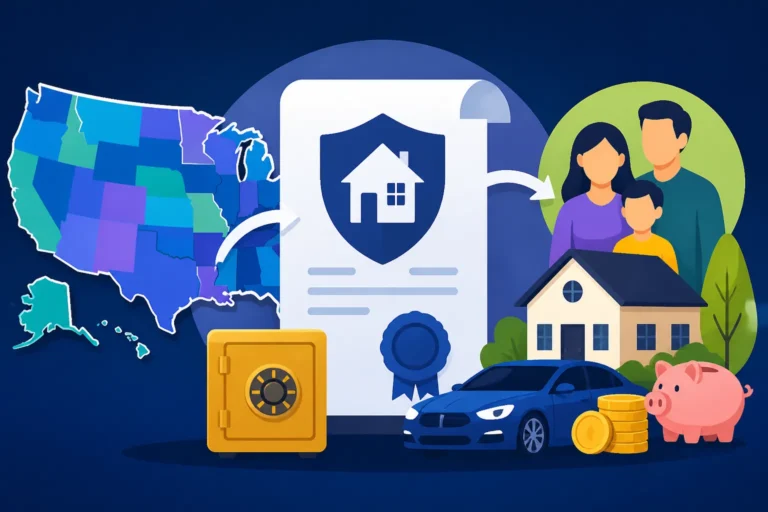
State estate taxes can target middle-class families with lower exemption limits, complex decoupling rules, and unique local tax cliffs.
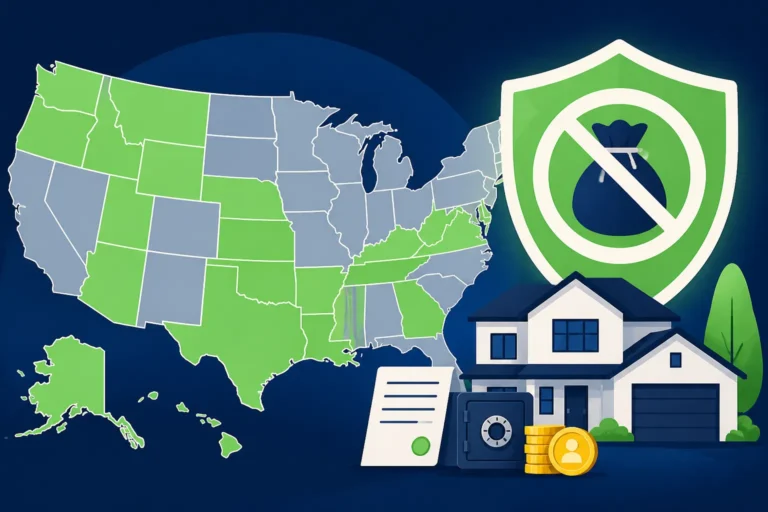
States with no estate tax in 2026 are listed here, detailing which regions exempt your legacy from state-level wealth taxes.

Estate and inheritance tax differences involve who pays the bill, the exemption thresholds, and how different state jurisdictions calculate liabilities.

State estate tax thresholds for 2026 reveal which jurisdictions impose lower inheritance limits than the federal government.