Do I Need a Will?
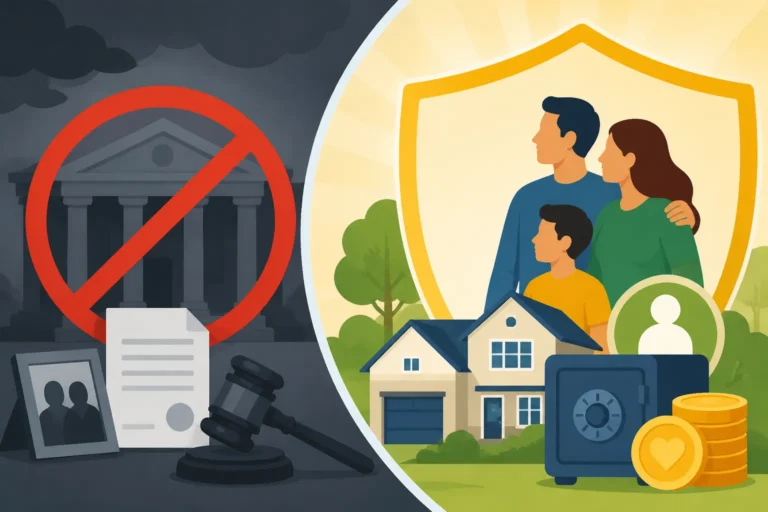
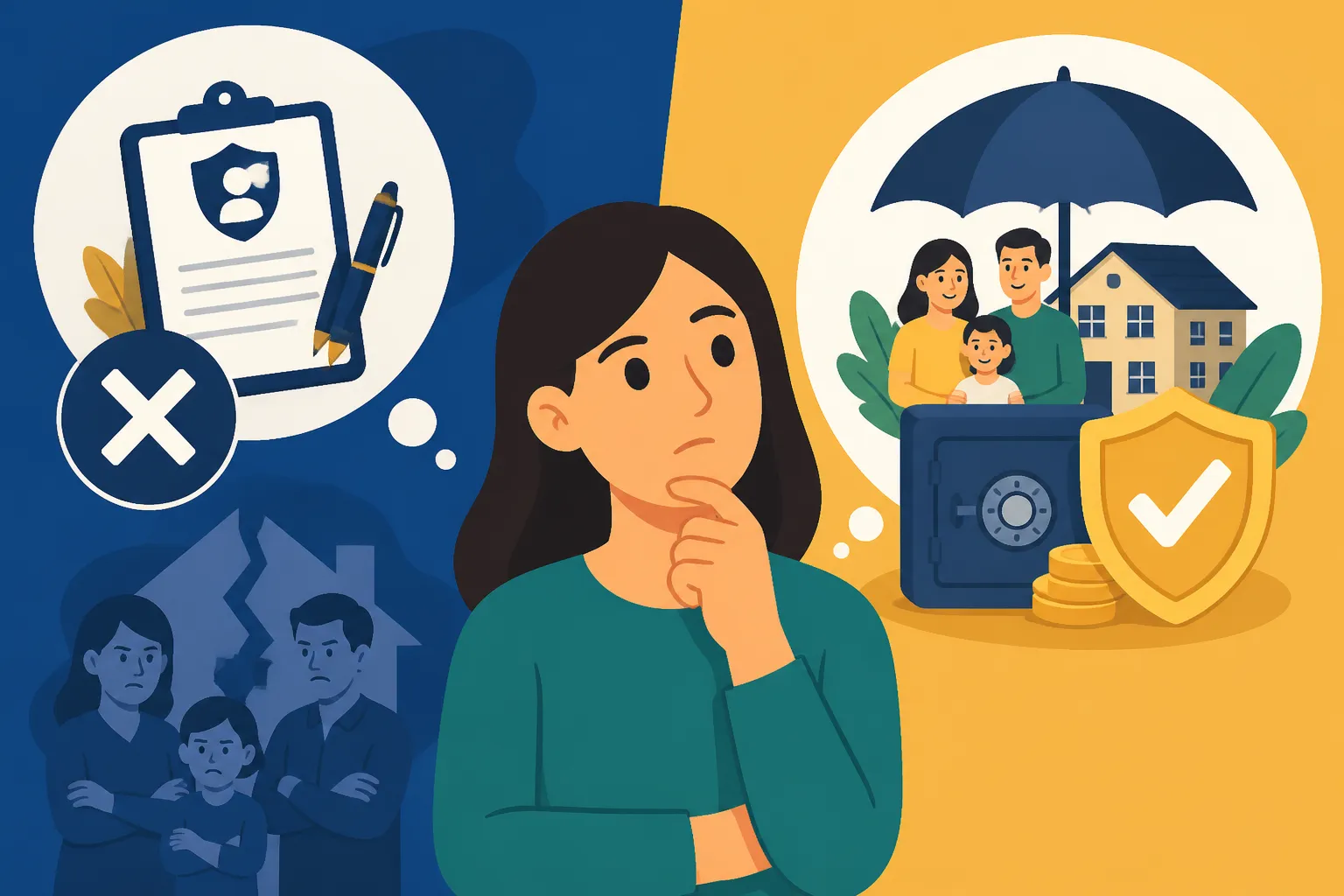
Facing the reality of what happens after you're gone can be incredibly daunting, and honestly, it's something most of us would rather push to the back of our minds. The thought of your loved ones navigating a complex legal system while grieving, or even worse, having your wishes ignored, is a frustrating and often overwhelming prospect. This comprehensive guide is here to cut through the confusion and plainly explain why having a will isn't just a good idea, but a fundamental act of care for your family and your legacy.
Understanding What a Will Is and Why It Matters
Let's be real, the legal jargon around estate planning can feel like a foreign language. But at its heart, a will is a surprisingly simple yet incredibly powerful document. It's not just for the ultra-wealthy; it's for anyone who owns anything, has loved ones, or simply cares about what happens after they pass away. Think of it as your final set of instructions, given with clarity and authority, designed to bring peace of mind to you and those you leave behind.
What Exactly Is a Last Will and Testament?
In the simplest terms, a Last Will and Testament is a legal document that outlines your wishes for how your property, assets, and even the care of your minor children should be handled after your death. It's a formal declaration, created while you're of sound mind, and it becomes effective only after you've passed away. Without it, the state, not you, gets to decide who gets what, and in many cases, that decision might be vastly different from what you would have wanted. It provides a roadmap for your executor, the person you appoint to manage your estate, to follow, ensuring a smoother transition during a difficult time for your family.
Imagine a situation where you've spent a lifetime building up your home, your savings, and perhaps a collection of treasured heirlooms. If you don't clearly state who should receive these items, the process can quickly become chaotic. Your will is the document that puts your intentions down on paper, eliminating guesswork and potential disputes among your heirs. It’s your voice, speaking from beyond, ensuring your legacy is handled precisely as you envisioned.
The Core Purpose of a Will: Your Wishes, Not the State's
The fundamental reason for creating a will is to maintain control over your assets and the future of your family. Without a will, you die "intestate," a fancy legal term meaning the state laws of intestacy will dictate how your property is distributed. These laws are generic, one-size-fits-all rules that cannot account for your unique family dynamics, special relationships, or specific desires. For example, if you're in a long-term committed relationship but aren't legally married, your partner might receive nothing under state law, regardless of your intentions.
Your will ensures that your assets are distributed according to your plan, not a default government blueprint. This means you can specify particular items for particular people – your grandmother's antique watch to your eldest grandchild, your book collection to a niece who shares your passion for reading, or a portion of your estate to a beloved charity. It allows for a level of personalization that state laws simply cannot offer, reflecting your individual relationships and values. Furthermore, a will is the only place you can legally designate a guardian for your minor children, a responsibility no parent takes lightly. It’s about ensuring that your wishes and values continue to guide your family even when you're no longer physically present.
The Perils of Dying Without a Will (Intestacy)
The term "dying without a will" sounds somewhat dramatic, doesn't it? But the reality is, it's a very common occurrence, and the consequences can be far-reaching and deeply painful for your surviving family members. When you die intestate, you're not just leaving a blank space; you're inviting a rigid legal process to fill it, one that operates without any input from you, the person who earned and loved those assets. It's often a recipe for confusion, conflict, and prolonged legal battles.
Who Inherits Your Assets? State Intestacy Laws Decide
If you pass away without a valid will, your estate is subject to your state's intestacy laws. These laws are essentially a default will created by the state legislature, designed to cover common family structures. However, "common" doesn't always mean "your" family. For instance, in many states, if you are married with children, your assets might be split between your surviving spouse and your children, rather than going entirely to your spouse as many people would assume or desire. This can create financial strain for your spouse and even require court involvement to manage the children's portion of the inheritance until they reach legal adulthood. You can learn more about what happens when you die without a will in our guide, "Dying Without a Will (Intestate) Explained".
Think about it: these laws don't care about the close bond you shared with a stepchild you raised but never legally adopted, or the support you provided to an elderly parent or a sibling in need. They follow strict bloodline rules, often excluding those you considered family but who aren't legally recognized as such. This can lead to heartbreak and financial hardship for those you truly intended to support, while potentially distributing assets to distant relatives you barely know.
The Court's Choice: Guardianship for Minor Children
Perhaps one of the most critical reasons for having a will, especially for parents, is the ability to name a guardian for your minor children. Without this designation in a will, should both parents pass away, a court will step in to decide who will raise your children. While the court will always try to act in the "best interest of the child," their determination might not align with your wishes or knowledge of what's best for your kids. The court may choose a relative you wouldn't have picked, or one who lives far away, disrupting your children's lives even further during an already traumatic time.
This isn't just about who provides daily care; it's also about who manages any inheritance your children receive. A guardian named in a will can also be given control over the children's inherited assets, often with specific instructions from you. If the court decides, they may appoint a separate conservator to manage the money, leading to more legal fees and less direct control for the person actually raising your children. This layer of complexity and potential disagreement can be entirely avoided with a clear, legally binding statement in your will.
Unintended Heirs and Family Disputes
When the state steps in to distribute your assets, it can often lead to unintended beneficiaries. For example, if you have no spouse or children, your assets might pass to your parents, then to your siblings, and if none exist, to more distant relatives. This can become incredibly complicated, especially if you have estranged family members who you wouldn't want to benefit from your estate. The state's default rules can surface long-dormant family feuds and create new ones, as relatives squabble over who is entitled to what, often leading to protracted and expensive probate processes.
The lack of clear instructions can turn grief into a battleground. Families, already reeling from loss, are forced into difficult conversations and legal proceedings to sort out assets that could have been easily assigned through a will. This not only drains emotional energy but also financial resources, as legal fees accumulate during disputes. Having a will provides clear directions, minimizing ambiguity and giving your loved ones one less thing to worry about during a period of immense sorrow.
Beyond Basic Inheritance: Other Crucial Roles of a Will
While ensuring your assets go to the right people and your children are cared for is paramount, a will does so much more. It's a comprehensive tool that streamlines the entire process of settling your affairs, empowering your chosen representatives, and reflecting your deeper values and intentions. It's about efficiency, clarity, and carrying out your final wishes in a way that truly honors them.
Naming an Executor: Your Estate's Manager
One of the most powerful provisions in a will is the ability to name an executor (sometimes called a personal representative). This person is essentially the project manager for your estate after you pass away. Their responsibilities are extensive: gathering and protecting your assets, paying your debts and taxes, and ultimately distributing what remains to your beneficiaries according to your will. It's a significant job, and choosing someone you trust implicitly – someone organized, responsible, and capable of handling complex tasks – is vital. Our "Executor Checklist: What to Do When Someone Dies" offers further insights into this crucial role.
If you don't name an executor in your will, the court will appoint an administrator. This individual might be someone unfamiliar with your family, your assets, or your values. They could be a professional fiduciary, which can add significant fees to your estate, or a family member who may not be the best choice for the role, leading to delays, mismanagement, or even further family conflict. By naming your own executor, you ensure that the person you believe is most capable and trustworthy is in charge, providing a sense of comfort and control over a process that can otherwise feel overwhelming for your surviving family.
Appointing Guardians for Minor Children
We've touched on this, but it bears repeating with emphasis: for parents of minor children, the guardianship provision in a will is indispensable. It’s the legal mechanism through which you articulate your heartfelt choice for who will step into your shoes to raise your children if you and their other parent are no longer able to. This isn't a decision to be taken lightly, as it impacts every aspect of your children's future, from where they live to who makes decisions about their education and healthcare.
Consider the ripple effect if this isn't handled. Without a clear directive in your will, different family members might step forward, each believing they are the best choice. This can lead to distressing and public custody battles in court, adding immense stress and trauma to children already grappling with the loss of their parents. By explicitly naming guardians, you spare your children and your family this agonizing ordeal, providing a clear path forward during an incredibly vulnerable time. It's a testament to your foresight and love, ensuring your children are cared for by people you trust and who align with your values.
Distributing Specific Bequests and Charitable Gifts
A will offers you the precise mechanism to make specific bequests – that is, to leave particular items or sums of money to particular individuals or organizations. Perhaps you want your antique grandfather clock to go to your niece who always admired it, or your prized vinyl collection to your best friend. Maybe you have a passion for animal welfare and wish to leave a portion of your estate to the ASPCA or a local animal shelter. Without a will, these specific, often deeply personal, wishes might never be realized.
Under intestacy laws, all your assets are simply lumped together and distributed according to broad categories, ignoring any nuanced desires you might have had. This means your cherished items could be sold off, or worse, cause friction among heirs trying to claim them. Furthermore, if you wish to support charitable causes, a will is essential. Without it, your philanthropic desires cannot be fulfilled, and valuable opportunities to make a lasting impact on causes you care about will be lost. Your will transforms your broad intentions into concrete, legally enforceable instructions.
Common Misconceptions About Wills
It's amazing how many myths and misunderstandings surround wills and estate planning. These misconceptions often prevent people from taking action, leading to the very problems they might have wanted to avoid. Let's debunk some of the most common ones that keep people from creating this vital document.
"My Estate Isn't Large Enough for a Will"
This is perhaps the most pervasive and damaging misconception. Many people assume that wills are only for the wealthy, for those with sprawling estates and complex financial portfolios. The truth is, if you own anything of value – a car, a bank account, furniture, even sentimental items – you have an estate. If you have loved ones you care about, you need a will. It's not about the size of your assets; it's about control and clarity.
Even a modest estate can cause significant headaches if there's no will. For example, without a will, a simple bank account might be frozen until a court appoints an administrator, potentially delaying access to funds needed by your surviving family for immediate expenses, like funeral costs. Furthermore, it's not just about money. For many, sentimental items hold immense value. A will ensures these items go to the people who will cherish them most, preventing arguments over who gets what. Don't let the idea that your estate isn't "big enough" deter you from protecting your family and your wishes.
"A Will Avoids Probate Entirely"
This is a common wish, but unfortunately, it's not entirely true. A will does not avoid probate; in fact, a will guides the probate process. Probate is the legal procedure where a court validates your will, ensures your debts are paid, and oversees the distribution of your assets. While a will makes probate much smoother and more efficient than dying intestate, it doesn't bypass it. Think of it this way: with a will, probate is a structured, clear path; without one, it's an uncharted jungle. To truly avoid probate for certain assets, you might need to explore other estate planning tools, which we'll discuss shortly. Our guide, "How to Avoid Probate", offers more strategies for this goal.
However, the benefit a will provides in probate is still immense. It empowers your chosen executor, provides clear instructions, and significantly reduces the likelihood of court intervention or family disputes. While some assets might still go through probate, the process is streamlined, often less expensive, and generally takes less time than when there's no will to provide direction. This distinction is crucial for setting realistic expectations and understanding the full scope of estate planning.
"My Family Will Figure It Out"
While your family loves you and might try their best, relying on them to "figure it out" after you're gone can place an immense burden on them during an already difficult time. Grief is disorienting, and expecting clear-headed decision-making about complex financial and legal matters from someone who is emotionally vulnerable is unrealistic and unfair. Without your explicit instructions, your family might make assumptions about your wishes, or worse, disagree amongst themselves, leading to painful disputes that can tear families apart.
Consider the emotional toll: instead of focusing on healing and remembrance, your loved ones are left to navigate state laws, identify assets, and make decisions that you should have made. This can lead to guilt, resentment, and lasting damage to family relationships. A will is a compassionate act, a gift to your family that says, "I've thought about this, and I've tried to make it as easy as possible for you." It removes the burden of guesswork and potential conflict, allowing them to grieve and remember you without added stress.
When is a Will Not Enough? The Role of Trusts and Other Tools
While a will is a foundational component of almost any estate plan, it's important to understand its limitations. For many individuals, especially those with larger estates, complex family situations, or specific goals like avoiding probate or protecting assets from creditors, a will alone might not suffice. This is where other estate planning tools, such as trusts and beneficiary designations, come into play, offering additional layers of control and flexibility.
Understanding When a Trust Becomes Essential
A trust is a legal arrangement where you (the "grantor") transfer ownership of your assets to a trustee, who then holds and manages those assets for the benefit of your designated beneficiaries, according to the terms you set out in the trust document. The primary advantage of a trust, especially a revocable living trust, is that assets held within it typically avoid probate. This means a quicker, more private distribution process, often saving your heirs time and money that would otherwise be spent on court fees and legal expenses during probate. Our guide "Will vs Trust: Which Do You Need?" delves deeper into this comparison.
Beyond probate avoidance, trusts offer a level of control and flexibility that wills cannot. For example, you can use a trust to provide for minor children or beneficiaries with special needs, ensuring funds are managed responsibly over time rather than disbursed as a lump sum. You can also protect assets from creditors or control how and when beneficiaries receive distributions (e.g., at certain ages or for specific purposes like education). For those with a significant estate, especially close to or exceeding the federal or state estate tax exemptions, certain types of irrevocable trusts can be powerful tools for reducing potential estate tax liability. If you're wondering, "Do I Need a Trust?", it's definitely worth exploring these advanced planning options.
Beneficiary Designations: Your Other Key Planning Tool
Often overlooked, beneficiary designations are incredibly powerful and, in many cases, trump whatever you've written in your will. Many financial accounts and assets allow you to name a beneficiary directly on the account itself. This includes retirement accounts like 401(k)s and IRAs, life insurance policies, and some bank accounts (known as Payable-on-Death or POD accounts) and investment accounts (Transfer-on-Death or TOD accounts).
When you name a beneficiary on these accounts, the assets typically pass directly to that named individual upon your death, completely bypassing probate and the terms of your will. This can be a huge time and money saver for your heirs. However, it's crucial that these designations are kept up-to-date and align with your overall estate plan. An outdated beneficiary designation (e.g., an ex-spouse) can lead to unintended consequences, overriding your current wishes expressed in your will. This is why understanding "Beneficiary Designations: The Probate Bypass" is so important for a comprehensive plan.
Joint Ownership and Transfer-on-Death Accounts
Another common strategy to avoid probate for specific assets is through joint ownership or the use of transfer-on-death (TOD) or payable-on-death (POD) designations. When you own property jointly with rights of survivorship, the asset automatically passes to the surviving owner(s) upon your death, without going through probate. This is frequently seen with real estate owned by married couples.
Similarly, as mentioned, TOD designations on investment accounts and POD designations on bank accounts allow you to name a beneficiary who will automatically receive the assets in that account upon your death. These are straightforward and effective ways to ensure certain assets avoid the probate process. However, like all estate planning tools, they have their nuances. Joint ownership can expose assets to the other owner's creditors, and TOD/POD accounts only avoid probate for the specific assets held in those accounts. A comprehensive estate plan often integrates these tools carefully alongside a will and potentially a trust to achieve the desired outcomes.
How to Create a Valid Will
Okay, so you're convinced you need a will. Great! The next step is actually creating one. This isn't as daunting as it might seem, but it does require attention to detail and understanding the legal requirements in your state. A properly executed will ensures your wishes are legally binding and can be effectively carried out.
Gathering Your Information and Making Decisions
Before you put pen to paper (or fingers to keyboard), you need to do some homework. Start by making a comprehensive list of all your assets: real estate, bank accounts, investment portfolios, retirement accounts, valuable personal property, and even digital assets. Don't forget sentimental items – sometimes these cause more family squabbles than money. Next, list all your potential beneficiaries: family members, friends, and charitable organizations. Think about who you want to receive what, and be as specific as possible.
If you have minor children, the most crucial decision is choosing a guardian. This should be someone you trust implicitly to raise your children according to your values. You'll also need to select an executor for your estate – a responsible and organized individual to manage your affairs after you're gone. Consider alternates for both roles in case your primary choices are unable or unwilling to serve. Finally, think about any specific wishes, like funeral arrangements or charitable donations. The more clearly you define these details upfront, the smoother the drafting process will be.
DIY, Online Services, or Attorney?
When it comes to drafting your will, you generally have three main options, each with its own pros and cons:
- Do-It-Yourself (DIY): This involves using templates or writing a will entirely on your own. While it's the cheapest option, it's also the riskiest. Without legal expertise, you might inadvertently omit crucial clauses, use incorrect legal language, or fail to meet your state's specific execution requirements, rendering your will invalid. This approach is generally only advisable for the simplest estates with very straightforward wishes.
- Online Will Services: Platforms like LegalZoom offer guided processes and templates to create legal documents, including wills. These services are a good middle-ground, more affordable than an attorney but generally more robust than a pure DIY approach. They often provide state-specific forms and instructions. However, they are still limited in their ability to offer personalized legal advice for complex situations, and you're responsible for ensuring all your questions are answered and that the document accurately reflects your specific, nuanced intentions. While a good starting point for many, always review thoroughly and consider if your situation requires more specialized attention.
- Hiring an Attorney: This is typically the most expensive option upfront, but it offers the highest level of protection and customization. An experienced estate planning attorney will not only draft your will but also provide legal advice tailored to your unique circumstances, identify potential issues (like tax implications or complex family dynamics), and ensure your will fully complies with state laws. They can also help integrate your will with other estate planning tools, creating a comprehensive plan that addresses all your needs, including how your estate might intersect with "Which States Have an Estate Tax in 2026?" or "Estate Tax vs Inheritance Tax: What's the Difference?" considerations. For complex estates or situations, the peace of mind and potential cost savings in the long run often outweigh the initial expense.
Formalities: Signing and Witness Requirements
Drafting the will is only half the battle; ensuring it's legally valid is just as important. Every state has specific requirements for a will to be considered legally enforceable. These formalities typically include:
- Written Document: A will must be in writing. Oral wills are generally not recognized, with very few exceptions.
- Signature: You, the testator, must sign the will. Most states require your signature at the very end of the document.
- Witnesses: This is where it often gets tricky. Most states require at least two (and sometimes three) adult witnesses to be present when you sign your will, and they must also sign the will in your presence (and often in each other's presence). It is crucial that witnesses are "disinterested," meaning they are not beneficiaries in your will. If a beneficiary acts as a witness, they might be disqualified from receiving their inheritance in some states.
- Notarization (Optional but Recommended): While not typically required for the will itself to be valid, many states allow for a "self-proving affidavit" to be attached to the will. This affidavit is signed by you and your witnesses in front of a notary public. A self-proving will can simplify the probate process by making it easier for the court to accept the will as valid, potentially avoiding the need for witnesses to appear in court later on to testify to the will's authenticity.
Failing to meet any of these specific requirements can render your will invalid, meaning your estate would be treated as if you died intestate. This underscores the importance of either using a reputable online service like LegalZoom with clear instructions, or better yet, consulting an attorney to ensure every "i" is dotted and "t" is crossed according to your state's laws.
Maintaining Your Will: Life Changes Demand Updates
A will isn't a "set it and forget it" document. Your life is dynamic, and your will should reflect those changes. What was appropriate when you were single might not be suitable after marriage, children, or a significant change in assets. Regularly reviewing and updating your will is just as important as creating it in the first place, ensuring it remains a true reflection of your wishes and circumstances.
Key Life Events That Require a Will Review
Life has a funny way of throwing curveballs and blessings our way, and many of these events should prompt a fresh look at your will:
- Marriage or Divorce: A new marriage often means you want to include your spouse as a beneficiary or executor. Divorce, on the other hand, usually means you'll want to remove an ex-spouse from your will and potentially change beneficiary designations on other assets. Some state laws automatically revoke provisions for a former spouse upon divorce, but it's dangerous to rely on this.
- Birth or Adoption of Children/Grandchildren: The arrival of new family members, especially children, is a primary reason to update your will to include them as beneficiaries and, crucially, to name guardians.
- Significant Change in Assets: If you buy or sell a major asset (like a house), experience a substantial increase or decrease in your wealth, or inherit significant property, your will might need adjusting to reflect these changes in your estate.
- Death of a Beneficiary or Executor: If someone you named in your will passes away, you'll need to update it to name new beneficiaries or alternate executors.
- Change in Residence: Moving to a different state can impact your will, as estate laws vary considerably from state to state. While a will validly executed in one state is usually recognized in another, it’s wise to have an attorney in your new state review it.
- Changes in Tax Laws: Federal and state estate tax laws can change, potentially impacting larger estates. For example, understanding changes to the "Federal Estate Tax Exemption 2026 ($15 Million)" or state-specific exemptions might necessitate adjustments to your planning strategies.
- Changes in Relationships: Even without formal legal changes like marriage or divorce, significant shifts in your relationships with family or friends might mean you want to adjust who inherits from your estate.
How to Revoke or Amend Your Will
So, you need to change your will. You can't just cross things out or write in new names. For a change to be legally binding, it must be executed with the same formalities as the original will. There are generally two ways to update or change a valid will:
- Codicil: This is a separate legal document that amends, rather than completely replaces, an existing will. A codicil must be signed and witnessed with the same legal formalities as the original will. It's suitable for minor changes, like adding a new beneficiary for a small item or changing an executor. However, if you have multiple codicils, the document can become cumbersome and potentially confusing.
- New Will: For more substantial changes, or if you've made several minor changes over time, it's usually best to revoke your old will entirely and create a brand new one. The new will should explicitly state that it revokes all previous wills and codicils. This ensures clarity and avoids any ambiguity that could arise from trying to interpret multiple documents. The new will must also be signed and witnessed according to your state's legal requirements.
It’s generally not a good idea to write notes on your existing will or to simply throw out an old one without creating a new, properly executed one. Such informal changes might not be legally recognized, and simply destroying an old will without a new one in place could lead to your estate being treated as if you died intestate. Always seek legal guidance or use a trusted online service like LegalZoom when making changes to ensure they are handled correctly.
Estate Planning Beyond the Will: A Holistic Approach
While this guide focuses on the critical importance of a will, it’s essential to view it as one piece of a larger, more comprehensive estate plan. A truly robust plan considers all aspects of your financial and personal well-being, ensuring continuity of care and the fulfillment of your wishes, not just after death, but also during any period of incapacity. It's about building a legal safety net that protects you and your loved ones from every angle.
The Interplay with State and Federal Estate Taxes
For many, especially those with substantial assets, estate taxes are a significant concern. It’s a common misconception that all estates pay federal estate tax. The federal estate tax applies only to estates exceeding a very high exemption amount, which is indexed for inflation. For 2026, the federal estate tax exemption is $15,000,000 per individual. Estates valued above this amount are subject to a federal estate tax, which can be as high as 40%. Our article on the "Federal Estate Tax Exemption 2026 ($15 Million)" provides more detail on this threshold.
However, beyond federal taxes, a number of states also levy their own estate taxes, and some even have an inheritance tax. State estate tax exemptions are often much lower than the federal exemption, meaning even moderate estates could be subject to state-level taxes. For instance, states like Oregon and Massachusetts have much lower exemption thresholds. Understanding whether your state has an estate tax, and how it might impact your beneficiaries, is a crucial part of holistic estate planning. The will itself doesn't typically avoid these taxes, but it is a foundational document within a larger plan that might include trusts or other strategies designed to minimize tax liability. Our guide "Which States Have an Estate Tax in 2026?" helps clarify where these taxes apply.
Durable Powers of Attorney and Healthcare Directives
An often-overlooked but equally vital part of a comprehensive estate plan deals with situations before your death: what happens if you become incapacitated and unable to make decisions for yourself? This is where durable powers of attorney and healthcare directives come into play.
- Durable Power of Attorney (DPOA): A DPOA allows you to appoint an agent (your "attorney-in-fact") to make financial and legal decisions on your behalf if you become incapacitated. This person can pay your bills, manage your investments, and handle other financial matters, preventing your family from having to go to court to get conservatorship. A "durable" power of attorney remains effective even after you become incapacitated, which is a key distinction from a general power of attorney.
- Healthcare Directive (or Advance Directive): This document, often comprising a Living Will and a Durable Power of Attorney for Healthcare, allows you to express your wishes regarding medical treatment and end-of-life care. A Living Will states your preferences for life-sustaining treatment (e.g., whether you want a feeding tube or ventilator if you're in a persistent vegetative state). The Durable Power of Attorney for Healthcare appoints someone (your "healthcare agent" or "proxy") to make medical decisions for you if you're unable to communicate them yourself.
Without these documents, your loved ones might face agonizing decisions about your medical care or be forced to seek court approval to manage your finances, often leading to delays, stress, and significant legal fees. These tools ensure that your voice is heard, and your care is managed by someone you trust, even if you can't speak for yourself.
| Feature | Dying With a Will (Testate) | Dying Without a Will (Intestate) |
|---|---|---|
| Control Over Assets | You decide who inherits what, and in what proportions. | State law decides who inherits, often by rigid bloodline rules. |
| Guardianship | You name guardians for minor children. | Court appoints guardians for minor children. |
| Executor/Administrator | You choose your executor (estate manager). | Court appoints an administrator (may be unfamiliar). |
| Specific Gifts | Yes, you can leave specific items/amounts to specific people or charities. | No, specific gifts are not possible; assets are broadly distributed. |
| Probate Process | Generally smoother, faster, and less costly due to clear instructions. | Can be lengthier, more complex, and more expensive due to lack of direction. |
| Family Harmony | Minimizes disputes by providing clear intentions. | Increases potential for family disputes and conflict. |
| Privacy | Some details may become public during probate, but overall control is maintained. | Public court process reveals all asset and distribution details. |
| Legal Fees | Typically lower due to streamlined probate. | Potentially higher due to court-appointed administrators and disputes. |
| Time to Settle Estate | Generally shorter as there's a clear roadmap. | Can be longer due to legal complexities and court involvement. |
Disclaimer
The information provided in this guide is intended for general informational purposes only and does not constitute legal or financial advice. Estate planning is highly individualized, and laws vary significantly by state. You should consult with a qualified estate planning attorney or financial advisor to discuss your specific situation and ensure your plan meets your unique needs and complies with all applicable laws.