What Documents Do I Need for Estate Planning?
Foundational estate planning documents include a last will and testament, a revocable living trust, and healthcare and financial power of attorney forms.

Foundational estate planning documents include a last will and testament, a revocable living trust, and healthcare and financial power of attorney forms.

An estate plan provides legal control over your assets, healthcare decisions, and guardianships for children if you cannot speak for yourself.

The price of a will spans from free templates and online services to thousands of dollars for detailed attorney assistance.
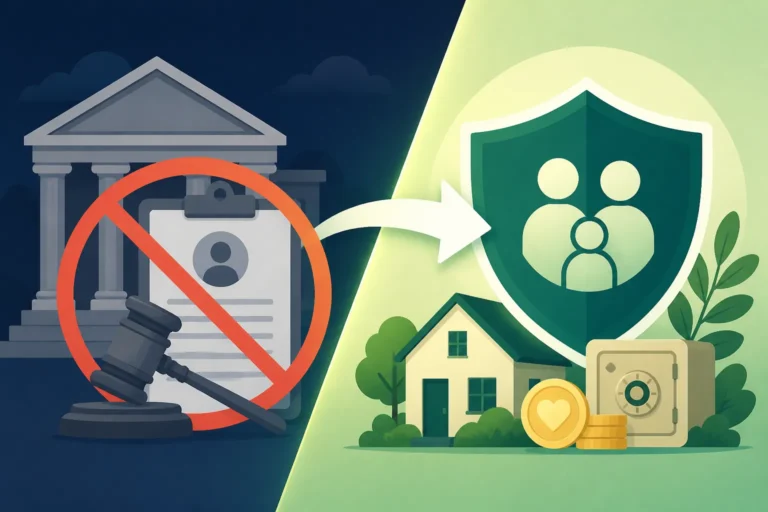
Establishing a revocable living trust allows you to bypass probate court, reducing costs and maintaining privacy for your family.

Irrevocable trusts remove assets from your taxable estate by transferring ownership, reducing federal and state estate tax burdens for heirs.

A revocable living trust manages assets during your lifetime, avoids court probate after death, and plans for potential incapacity.

Online will platforms offer affordable estate planning by helping individuals draft legally sound documents, name beneficiaries, and appoint executors.

Estate planning choices involve comparing the differences, benefits, and drawbacks of wills and trusts to protect your assets and loved ones.

Federal and state estate tax rules, annual gifting limits, and trust structures explain how families can legally minimize taxes on inheritances.

Intestate succession laws dictate how state courts distribute property and handle probate when someone dies without a valid will.