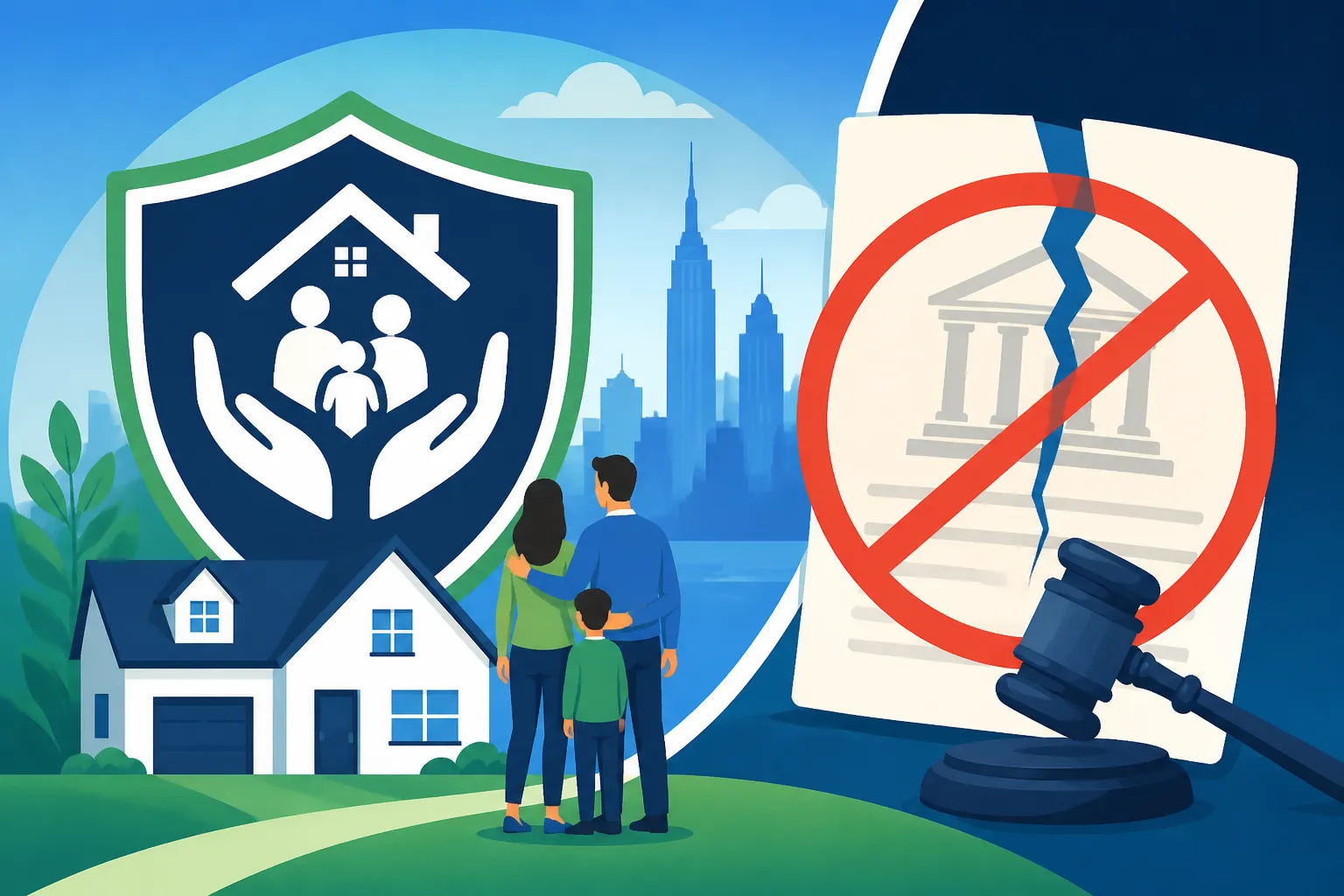
How to Avoid Probate in New York
Facing the daunting reality of what happens to your assets after you pass can be overwhelming, especially when you consider the complexities of New York probate law. Many New Yorkers worry about their loved ones facing a lengthy and often public probate process after they’re gone, draining emotional energy and valuable assets. This comprehensive guide will walk you through practical, actionable strategies specifically tailored to New York State law, helping you understand how to navigate estate planning to avoid probate and ensure your wishes are honored efficiently and privately.
Understanding Probate in New York and Why Avoiding It Matters
The word “probate” often conjures images of endless court appearances, legal fees, and family disputes. For many New Yorkers, this isn’t far from the truth. While probate is a necessary legal process for many estates, understanding what it entails and its potential downsides can motivate you to explore alternatives that simplify things for your heirs.
What Exactly is Probate in New York?
In New York, probate is the court-supervised process of proving the validity of a will, identifying and inventorying the deceased person’s property, paying their debts and taxes, and distributing the remaining assets to the beneficiaries named in the will. If there’s no will, the process is called “administration,” and assets are distributed according to New York’s intestacy laws. This often means your assets might not go to the people you would have chosen, adding another layer of distress to an already difficult time.
Think of it this way: when you pass away with assets solely in your name and no designated beneficiaries, the state of New York steps in to oversee how those assets are handled. This is where the Surrogate’s Court comes into play. The court appoints an Executor (if there’s a will) or an Administrator (if there’s no will) to manage your estate. This official then carries out a series of steps: notifying creditors, appraising assets, paying off debts, and finally, distributing what’s left. It’s a structured process, but it’s also a public one, meaning details about your estate can become part of public record. For a deeper dive into the general process, you might want to read our guide on What Is Probate? Complete Guide.
The Hurdles and Heartaches of New York Probate
The primary reasons most people want to avoid probate in New York boil down to time, cost, and privacy.
First, time. The probate process in New York can be notoriously slow, especially in counties like New York County (Manhattan), Kings County (Brooklyn), or Queens County where the Surrogate’s Courts are often backlogged. A straightforward estate might take 9 to 18 months, but complex cases, especially those with disputes or difficult-to-value assets, can drag on for several years. Imagine your loved ones waiting years to fully access their inheritance, all while grieving your loss. This extended timeline can be incredibly frustrating and financially burdensome. Understanding How Long Does Probate Take? can really highlight this concern.
Second, cost. Probate is not a free process. In New York, costs can include court filing fees, attorney fees, executor fees, appraisal fees, and other administrative expenses. Attorney fees, in particular, can be substantial, often calculated either hourly or as a percentage of the estate’s value, which can quickly erode the inheritance your loved ones expect. For instance, if an estate is valued at $500,000, attorney fees could easily run into tens of thousands of dollars, depending on the complexity and how involved the legal team needs to be. This is why many look for ways to reduce How Much Does Probate Cost?.
Finally, privacy. As a court-supervised process, probate records become public information. Anyone can access the details of your will, the inventory of your assets, your debts, and who inherited what. For individuals and families who prefer to keep their financial affairs private, this lack of confidentiality is a significant drawback. Protecting your family’s privacy is a powerful motivator for proactive estate planning.
Foundational Strategies for Avoiding Probate in New York
The good news is that there are several effective strategies New Yorkers can employ to keep their assets out of probate court. These methods often involve changing how you own your property or establishing mechanisms for direct transfer upon your passing.
Utilizing Trusts: Your Go-To Probate Shield
One of the most robust ways to avoid probate in New York is through the use of a living trust. A trust is a legal arrangement where you transfer your assets (like real estate, bank accounts, and investments) from your name into the name of the trust. You, as the “grantor” or “settlor,” name a “trustee” (often yourself initially) to manage these assets for the benefit of your chosen “beneficiaries” (your heirs).
The real magic happens when you pass away: because the assets are owned by the trust, not by you personally, they don’t go through probate. Instead, the successor trustee you named simply distributes the assets to your beneficiaries according to the trust’s instructions, privately and usually much faster than probate. This is a crucial distinction, especially in New York where probate can be so taxing.
There are different types of trusts, but a Revocable Living Trust Explained is often the most suitable for probate avoidance. You maintain complete control over your assets during your lifetime, can modify or revoke the trust at any time, and even be your own trustee. This flexibility makes it an attractive option for many. While online services like LegalZoom can help you draft initial trust documents, it’s highly advisable to consult with an estate planning attorney in New York to ensure the trust is properly funded and complies with all state-specific laws. This ensures your trust truly serves its purpose and avoids any unintended complications. For those weighing their options, understanding Will vs Trust: Which Do You Need? is a great next step, as is determining Do I Need a Trust? in the first place.
Joint Ownership: A Simple Path, But With Caveats
Holding property in joint ownership with rights of survivorship is another common way to bypass probate for that specific asset. In New York, there are a few ways to do this:
- Joint Tenancy with Rights of Survivorship (JTWROS): This is common for bank accounts, brokerage accounts, and real estate. When one joint tenant dies, their share of the property automatically passes to the surviving joint tenant(s) without going through probate. This can be a very straightforward way for married couples or parents and children to hold assets. For example, if you and your spouse own your primary residence in New York as joint tenants, when one of you passes, the other automatically becomes the sole owner. This is an excellent way to keep your home from going through probate, as explained further in How to Avoid Probate on a House.
- Tenancy by the Entirety: This form of joint ownership is exclusive to married couples in New York for real estate. Similar to JTWROS, when one spouse dies, the surviving spouse automatically inherits the entire property outside of probate. It also offers some creditor protection that JTWROS does not.
While joint ownership seems simple, it’s not without its potential pitfalls. When you add another person as a joint owner, you’re essentially giving them an immediate ownership stake. This means the asset is exposed to their creditors, divorce settlements, or lawsuits. Also, if the joint owner decides to sell or take out a loan against the property, they can often do so without your consent, depending on the specific type of joint ownership and the asset involved. It’s a method that offers convenience but requires significant trust and careful consideration of the potential downsides.
Designating Beneficiaries: The Ultimate Probate Bypass for Many Assets
For many types of financial accounts and even some real estate, simply naming a beneficiary or contingent beneficiary can completely bypass the probate process. This is often the easiest and most overlooked strategy for probate avoidance.
Payable-on-Death (POD) and Transfer-on-Death (TOD) Accounts
New York law allows you to designate beneficiaries for various financial accounts, making them “non-probate assets.”
- Payable-on-Death (POD) Accounts: These apply to bank accounts, savings accounts, and certificates of deposit (CDs). You simply fill out a form with your bank to name one or more beneficiaries. When you pass away, the funds in the account are paid directly to the named beneficiaries, bypassing probate entirely. The great thing is, you retain full control over the funds during your lifetime; the beneficiary has no access until after your death. This is an incredibly simple and effective way to manage these types of assets. Learn more about Payable on Death (POD) Accounts.
- Transfer-on-Death (TOD) Accounts: Similar to POD accounts, TOD designations are used for investment accounts, brokerage accounts, and individual stocks or bonds. You name a beneficiary who will inherit the investments directly upon your death. Again, you maintain full control over your investments during your lifetime.
- Transfer-on-Death (TOD) Deeds for Real Estate: New York State also allows for Transfer-on-Death deeds, sometimes called “beneficiary deeds.” This allows you to name a beneficiary to inherit your real estate directly upon your death, without the need for probate. The deed must be properly executed and recorded during your lifetime. This is a relatively newer option in New York compared to some other states, but it’s a powerful tool for avoiding probate on your home or other real property. The property does not transfer until your death, so you retain full ownership and control, and can revoke the deed at any time. This specific type of deed can be a game-changer for avoiding probate on your most significant asset, and our detailed article Transfer on Death Deed Explained can offer more insights.
Life Insurance and Retirement Accounts
These assets are almost always designed to avoid probate, provided you’ve named a valid beneficiary.
- Life Insurance Policies: The proceeds from a life insurance policy are paid directly to the named beneficiary upon your death. They do not go through probate. It’s crucial to review your beneficiary designations regularly to ensure they are up-to-date and reflect your current wishes. If you name your “estate” as the beneficiary, however, the proceeds will go through probate, defeating the purpose.
- Retirement Accounts (IRAs, 401(k)s, etc.): Similarly, retirement accounts allow you to name primary and contingent beneficiaries. Upon your death, the assets in these accounts are distributed directly to your named beneficiaries. Like life insurance, if you fail to name a beneficiary or name your “estate,” these valuable assets will be pulled into the probate process. This is a powerful and often straightforward way to ensure these funds reach your loved ones efficiently. For a broader perspective on how beneficiary designations simplify things, check out Beneficiary Designations: The Probate Bypass.
It’s important to note that while online platforms like LegalZoom offer forms for beneficiary designations, carefully double-checking these with your financial institutions and potentially an attorney can save a lot of headaches later. Each institution may have slightly different requirements, and ensuring everything is correctly documented is paramount.
Other Key Considerations and Tools for New Yorkers
Beyond trusts and beneficiary designations, there are other aspects of estate planning that can either help avoid probate or simplify the process significantly for New York residents.
Small Estates and Simplified Probate
New York State does offer a simplified probate process for “small estates,” also known as a voluntary administration. If the value of a deceased person’s personal property (excluding real estate) is below a certain threshold—currently $50,000—their estate may qualify for this expedited process. This can save considerable time and expense compared to full probate. However, it’s important to remember that this threshold applies only to personal property and doesn’t include real estate, which usually requires standard probate or other avoidance strategies like a TOD deed or joint ownership.
Even if an estate qualifies as small, the process still requires filing paperwork with the Surrogate’s Court. While it’s less complex, it’s not entirely probate-free. For estates slightly above this limit, or those with real estate, the full probate avoidance strategies discussed earlier become even more critical.
The Importance of a Cohesive Estate Plan
While focusing on probate avoidance is smart, it’s just one piece of a larger puzzle. A truly effective estate plan for New Yorkers encompasses more than just keeping assets out of court. It should include:
- A Will: Even if you use trusts and beneficiary designations to avoid probate for most assets, a will is still crucial. A “pour-over will” can catch any assets you inadvertently left out of your trust, ensuring they are directed into the trust at your death (though this would involve probate for those specific assets). A will also allows you to name guardians for minor children, express funeral wishes, and deal with any specific personal property not covered elsewhere.
- Powers of Attorney: A Durable Power of Attorney allows someone you trust to manage your financial affairs if you become incapacitated. A Healthcare Proxy (or Durable Power of Attorney for Healthcare) lets someone make medical decisions on your behalf if you cannot. These documents are vital for managing your affairs during your lifetime and prevent the need for a court-appointed conservatorship or guardianship, which is a form of “living probate.”
- Review and Update: Estate planning isn’t a “set it and forget it” task. Life changes – marriages, divorces, births, deaths, changes in assets, or changes in state law – all necessitate reviewing and updating your plan. New York’s laws can change, as can federal regulations, impacting how your estate is handled. Regular reviews, ideally every 3-5 years or after a significant life event, ensure your plan remains effective and aligns with your wishes.
Creating a comprehensive Estate Planning Checklist can help you organize all these components and ensure nothing is overlooked. Whether you work with an attorney or use a reputable online service like LegalZoom for drafting basic documents, taking a holistic approach to your estate plan is the best way to protect yourself and your loved ones. While LegalZoom can provide a convenient starting point for many, complex estates or unique family situations in New York often benefit from personalized legal advice from a local estate planning attorney who understands the nuances of state-specific laws.
| Probate Avoidance Method | Assets Typically Covered | New York Specifics | Pros | Cons |
|---|---|---|---|---|
| Revocable Living Trust | Real estate, bank accounts, investments, business interests, personal property | Requires proper funding (transferring assets into the trust’s name) | Avoids probate entirely, provides privacy, can manage incapacity, flexible | Costs to set up, requires ongoing maintenance (funding), potentially complex |
| Joint Ownership (JTWROS/Tenancy by the Entirety) | Real estate, bank accounts, brokerage accounts | Tenancy by the Entirety only for married couples on real estate | Simple to set up, automatic transfer to survivor | Exposure to co-owner’s debts/judgments, loss of control, potential for disputes |
| Payable-on-Death (POD) | Bank accounts, CDs | Simple bank forms | Easy to set up, retains full control during lifetime, avoids probate | Only covers specific accounts, no incapacity planning |
| Transfer-on-Death (TOD) Accounts | Brokerage accounts, stocks, bonds | Simple brokerage forms | Easy to set up, retains full control during lifetime, avoids probate | Only covers specific accounts, no incapacity planning |
| Transfer-on-Death (TOD) Deeds | Real estate | Available in New York, recorded during lifetime | Avoids probate for property, retains control during lifetime, revocable | Only covers real estate, requires proper recording, potential challenges if not well-drafted |
| Beneficiary Designations (Life Insurance, Retirement) | Life insurance policies, IRAs, 401(k)s, annuities | Must name specific beneficiaries, avoid “estate” as beneficiary | Direct payout, avoids probate, tax advantages for some accounts | Requires careful review, if no beneficiary or “estate” is named, goes to probate |
| Small Estate Administration | Personal property (under $50,000) | Specific monetary limit, excludes real estate | Expedited, simplified court process | Still involves court, limited to small personal property estates |
Disclaimer
This article is for general informational purposes only and does not constitute professional advice. Laws and regulations vary by location and change over time. Consult a qualified professional for guidance on your specific situation.