Estate Tax vs Probate: Are They the Same?
The world of estate planning and what happens after someone passes away can feel like navigating a dense, confusing fog. Many people use terms like "estate tax" and "probate" interchangeably, or they imagine a single, intimidating "death tax" that covers everything. This common misconception often leads to unnecessary worry or, worse, inadequate planning. This comprehensive guide will meticulously unpack the distinct concepts of estate tax and probate, clarifying their individual roles and how they interact, so you can approach your own estate planning with greater clarity and confidence.
Understanding the Estate Tax Landscape
Let's start by shedding some light on what the estate tax actually is. It’s often misunderstood, leading to a lot of anxiety for families.
What is the Estate Tax?
At its core, the estate tax isn't a tax on the inheritance received by beneficiaries; rather, it’s a tax levied on the estate of a deceased person before any assets are distributed to their heirs. Think of it as a final tax bill for the privilege of transferring accumulated wealth from the deceased to the next generation. This tax applies to the entire value of a person’s "gross estate," which can encompass a wide range of assets. This includes real estate (like your family home or vacation property), investment portfolios (stocks, bonds, mutual funds), bank accounts, personal property (cars, jewelry, art), and even life insurance proceeds if the deceased owned the policy. For a deeper dive into what counts, you might explore What Is the Gross Estate?.
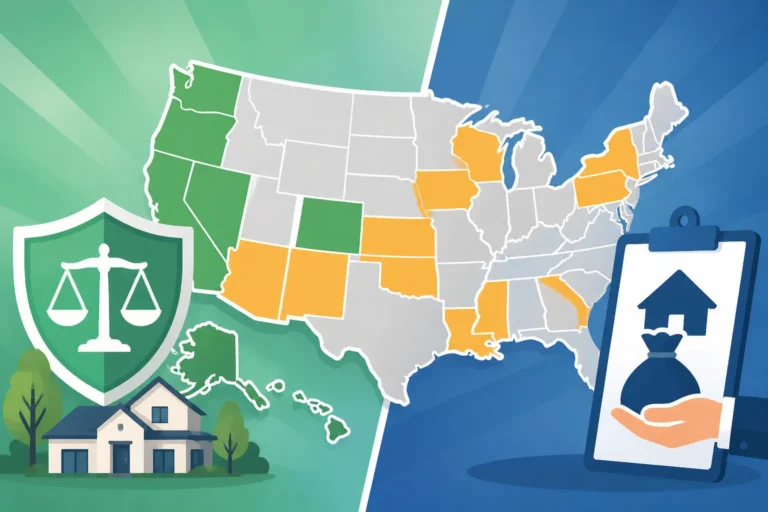
The federal government imposes an estate tax, but only on very large estates. For 2026, the federal estate tax exemption is $15,000,000 per individual. This means that if your total gross estate value is below this threshold, your estate likely won't owe any federal estate tax. Many people are keeping a close eye on the discussions around OBBBA & the End of the 2026 Estate Tax Sunset to understand potential changes. Beyond the federal level, some states also impose their own estate taxes, often with much lower exemption thresholds. This means an estate might escape federal tax but still be subject to state estate tax, as discussed in Which States Have an Estate Tax in 2026?.
Who Pays and When Does It Apply?
This is a crucial distinction: the estate tax is paid by the deceased person's estate itself, not by the individual beneficiaries who receive assets. The executor or personal representative of the estate is responsible for filing the necessary tax returns, such as Form 706, the United States Estate (and Generation-Skipping Transfer) Tax Return, and ensuring the tax is paid from the estate's assets before any distributions are made to heirs. If an estate is large enough to be subject to this tax, it can significantly reduce the net value available to beneficiaries.
The estate tax only applies if the value of the gross estate exceeds the applicable federal or state exemption amount. For example, if you reside in a state like Oregon, which has its own estate tax, an estate valued at just over $1 million could be subject to state estate tax, even if it's far below the federal threshold. This is why knowing State Estate Tax Exemptions & Rates Compared 2026 is so important. These exemption amounts are often indexed for inflation, though the specific rules can vary by jurisdiction. Understanding How Estate Tax Is Calculated involves identifying all assets, deducting legitimate expenses (like debts and administrative costs), and then applying the tax rate to the remaining taxable amount.
Demystifying the Probate Process
Now, let's turn our attention to probate, a term that often conjures images of endless court battles and exorbitant fees, though it's typically a much more straightforward process.
What Exactly is Probate?
Probate is the formal legal process through which a deceased person's will is proven valid (or, if there's no will, the estate is distributed according to state law), their assets are identified and inventoried, their debts and taxes are paid, and the remaining property is distributed to the rightful heirs or beneficiaries. It's essentially the court's way of supervising the transfer of property from the deceased to their living successors. The primary purpose of probate is to ensure that the deceased's wishes, as expressed in their will, are carried out accurately and legally. If there's no will, the probate court will appoint an administrator and distribute assets according to the state's intestacy laws, which vary widely. For a comprehensive overview, you can refer to What Is Probate? Complete Guide.
This process also provides a legal framework for creditors to make claims against the estate and ensures those claims are properly addressed before assets are distributed. It offers a level of protection for both the executor (who is responsible for managing the estate) and the beneficiaries, ensuring that all legal obligations are met and that the distribution of assets is handled transparently and fairly under judicial oversight.
Assets Subject to Probate and How It Works
Not every asset a person owns has to go through probate. Generally, only assets held solely in the deceased person's name without a designated beneficiary will be subject to probate. Common examples include real estate owned individually, bank accounts without Payable on Death (POD) designations, and investment accounts without Transfer on Death (TOD) registrations.
Conversely, many assets can bypass probate entirely. These often include:
- Assets held in a revocable living trust, which can be a powerful tool to streamline estate settlement.
- Life insurance policies with named beneficiaries.
- Retirement accounts like 401(k)s and IRAs with named beneficiaries.
- Jointly owned property with rights of survivorship, such as a home owned with a spouse.
- Bank accounts or investment accounts with POD or TOD designations.
The probate process typically involves several key steps:
- Filing the Petition: The executor (named in the will) or an interested party files a petition with the probate court.
- Validating the Will: The court officially determines if the will is legally valid.
- Appointing the Executor/Administrator: The court formally appoints an executor (if there's a will) or an administrator (if there's no will) to manage the estate.
- Inventorying Assets: The executor identifies and inventories all assets and debts of the estate.
- Notifying Creditors: Creditors are notified, and a period is set for them to make claims against the estate.
- Paying Debts and Taxes: Legitimate debts, final expenses, and any applicable estate taxes are paid from the estate's assets.
- Distributing Remaining Assets: Finally, the remaining assets are distributed to the beneficiaries according to the will or state law.
The duration of probate can vary significantly depending on the complexity of the estate, state laws, and whether there are any disputes. It could be as quick as six months for a simple estate or extend for several years for more complex or contested ones, as highlighted in guides like How Long Does Probate Take?. The costs involved can also vary, typically including court fees, attorney fees, executor fees, and appraisal fees. Knowing How Much Does Probate Cost? can help families prepare for these potential expenses.
Estate Tax vs. Probate: A Clear Distinction
While both estate tax and probate come into play after a person's death and deal with their assets, they are fundamentally different in their purpose, who they affect, and how they function. Confusing them can lead to significant misunderstandings about estate planning.
Fundamental Differences in Purpose and Scope
The most crucial difference lies in their very nature:
- Estate Tax is a Tax: Its primary purpose is to collect revenue for the government (federal and/or state) by taxing the transfer of wealth from a deceased person's estate. It is about the value of the estate and whether it exceeds certain exemption thresholds. If an estate's value falls below the exemption, no estate tax is owed.
- Probate is a Legal Process: Its primary purpose is to legally validate the will (if one exists), manage the deceased's assets and debts, and ensure the orderly and lawful distribution of property to heirs. It is about the administration of the estate, regardless of its size, though many states offer simplified probate for smaller estates.
Consider a practical example: Sarah passes away with an estate valued at $2 million. She has a valid will.
- Estate Tax: If she lived in a state with a $1 million estate tax exemption, her estate would likely owe state estate tax on the $1 million above the exemption. If she lived in a state with no estate tax and the federal exemption is $15 million, her estate would owe neither federal nor state estate tax. The tax is purely about the dollar value exceeding the exemption.
- Probate: Regardless of whether her estate owes estate tax, if her assets are primarily held in her individual name (e.g., a house, bank accounts) and not in a trust or with specific beneficiary designations, her estate will likely go through the probate process. This process ensures her will is authenticated, her debts are paid, and her assets are distributed to her beneficiaries as she wished.
One key takeaway is that an estate can go through probate without owing a dime in estate tax, and conversely, a very large estate that avoids probate through a well-funded trust could still owe estate tax if its value exceeds the exemption thresholds.
| Feature | Estate Tax | Probate |
|---|---|---|
| Purpose | Tax on the transfer of wealth from a decedent's estate | Legal process to validate will, administer assets, and distribute property |
| Who Pays/Performs | The deceased's estate pays the tax | The executor/administrator manages the legal process |
| Trigger | Estate value exceeding federal or state exemption thresholds | Death of asset owner (for probate-eligible assets) |
| What it affects | Net value of the estate available for beneficiaries after tax | How assets are managed, debts paid, and distributed to beneficiaries |
| Scope | Financial assessment and taxation | Legal and administrative oversight |
| Avoidable? | Yes, through proper planning (e.g., gifting, trusts) | Yes, for many assets, through specific planning tools |
Overlaps and Common Misconceptions
While distinct, estate tax and probate do intersect in practical ways, leading to some common misunderstandings. Both are part of the larger process of settling an estate after someone dies. The value of assets determined during the probate process, for example, is often the same value used to calculate the gross estate for estate tax purposes. The executor, who handles the probate, is also responsible for ensuring any estate taxes are filed and paid.
A major misconception is that if you avoid probate, you also avoid estate tax. This is simply not true. While certain planning tools like revocable living trusts can help assets bypass probate, they do not inherently remove those assets from the taxable estate. If your trust holds assets valued above the estate tax exemption, those assets will still count towards the taxable estate, and estate tax may be due. Similarly, having a will does not exempt an estate from estate tax; a will simply dictates how assets are distributed through probate.
Another point of confusion is thinking that all "death taxes" are the same. This guide clarifies that there's federal estate tax, state estate tax, and in some states, an inheritance tax, which is different from an estate tax because it's paid by the beneficiary rather than the estate. For further clarification, you might find Estate Tax vs Inheritance Tax: What's the Difference? useful. Both probate and estate tax planning require careful consideration, and a strategy to minimize one doesn't automatically reduce the impact of the other.
Strategic Estate Planning to Navigate Both
Understanding the distinctions between estate tax and probate is the first step. The next is to leverage this knowledge to create an effective estate plan that addresses both, aiming to minimize taxes and streamline the transfer of assets.
Utilizing Wills and Trusts
These are the foundational tools in any estate plan, and they interact with probate and estate tax in different ways.
A Last Will and Testament is a legal document that specifies how your assets should be distributed after your death, names an executor to manage your estate, and can designate guardians for minor children. A will is crucial for ensuring your wishes are honored, but it does not avoid probate. In fact, a will is the document that the probate court validates and executes. For example, if you live in New York, a will ensures your assets are distributed as you wish, but the New York Surrogate's Court will still oversee the process, though your will significantly simplifies the administration. Many people wonder, Do I Need a Will?, and for most, the answer is a resounding yes to provide clear instructions for their heirs and avoid state intestacy laws.
Trusts, on the other hand, can be incredibly powerful for avoiding probate and, in some cases, reducing estate taxes.
- Revocable Living Trusts are perhaps the most popular type for probate avoidance. When you create and "fund" a revocable living trust (meaning you transfer ownership of your assets into the trust), those assets are no longer considered part of your individual estate for probate purposes. When you pass away, a successor trustee manages and distributes the assets according to the trust's terms, often without any court involvement. This can save your heirs significant time, money, and privacy. You can learn more about this in Revocable Living Trust Explained.
- Irrevocable Trusts are more complex but can offer significant estate tax advantages. Once assets are transferred into an irrevocable trust, they are generally removed from your taxable estate, which can help reduce potential federal or state estate tax liability. Examples include Irrevocable Life Insurance Trusts (ILITs) or Charitable Remainder Trusts. However, these trusts are "irrevocable" for a reason – you generally cannot change or take back the assets once they are placed in the trust. Strategies for How to Avoid Estate Tax With Trusts often involve these more advanced planning tools.
Other Tools and Professional Guidance
Beyond wills and trusts, several other mechanisms can help you manage your estate and address both probate and potential taxes:
- Beneficiary Designations: This is one of the simplest and most effective ways to bypass probate for specific assets. Retirement accounts (IRAs, 401(k)s) and life insurance policies allow you to name beneficiaries directly. Upon your death, these assets pass directly to the named individuals without going through the probate court. It's crucial to keep these designations up-to-date.
- Joint Ownership: Owning property jointly with rights of survivorship means that when one owner dies, their share automatically passes to the surviving owner, bypassing probate. This is common for married couples owning a home. However, it's important to understand the implications of joint ownership, especially regarding control and potential tax consequences.
- Payable on Death (POD) / Transfer on Death (TOD) Accounts: Similar to beneficiary designations, these allow you to name a beneficiary for your bank accounts or investment accounts, ensuring they transfer directly to the named individual upon your death without probate.
Navigating these complexities can feel overwhelming, which is why professional guidance is invaluable. An experienced estate planning attorney can help you understand your options, draft the necessary documents, and ensure your plan aligns with your specific goals and state laws. A financial advisor can also play a crucial role in structuring your assets and investments in a tax-efficient manner. Services like SmartAsset can help connect you with vetted financial advisors who specialize in estate planning, ensuring you get personalized advice for your unique situation. This kind of expert support can be instrumental in developing a holistic strategy that accounts for both How to Reduce or Avoid State Estate Tax and How to Avoid Probate. Don't wait until it's too late; proactive planning can save your loved ones significant stress and expense.
Disclaimer
This article is for general informational purposes only and does not constitute professional advice. Laws and regulations vary by location and change over time. Consult a qualified professional for guidance on your specific situation.